Smart Self-Cleaning Litter Box: App Alerts & Odor Control
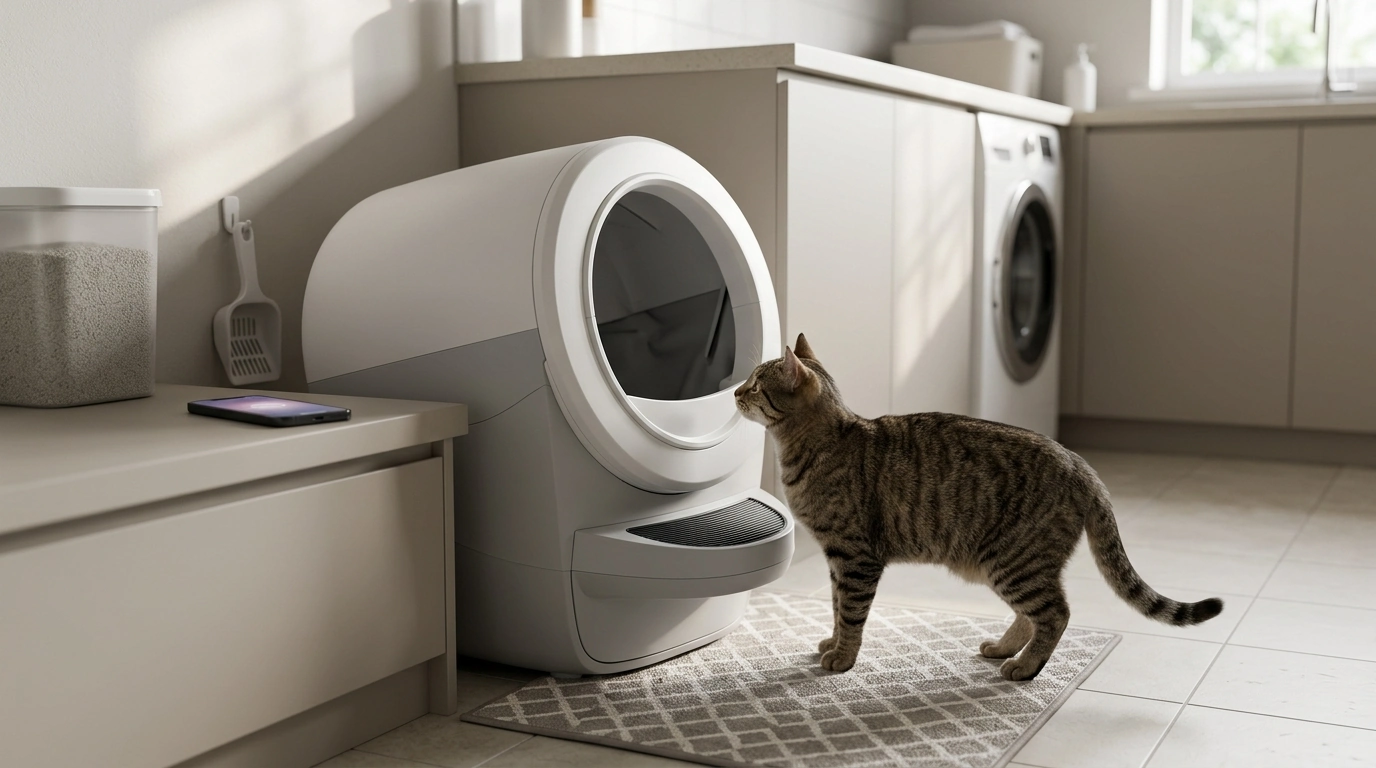
Smart Automatic Self-Cleaning Cat Litter Box with App Control and Odor Elimination
A self-cleaning litter box can cut down daily scooping, keep the litter area noticeably fresher, and add helpful routines through app-based monitoring. Smart automatic units are built to separate clumps after each visit, store waste in a more sealed compartment, and notify you when it’s time to empty or check the system. Below is what to expect from everyday use, how odor control typically works, what features matter most, and how to set up and transition smoothly for most cats.
What a smart self-cleaning litter box changes day to day
The biggest shift is consistency. Instead of relying on a human schedule (and remembering to scoop before odor builds), a smart box can run a cleaning cycle soon after your cat exits.
- Reduces manual scooping by automatically separating clumps after use.
- Helps keep the litter surface more consistently clean, which can encourage regular box use.
- Sends app notifications that can support routine maintenance (waste drawer full, cleaning cycle status, usage history).
- Can make multi-cat households easier to manage by tracking frequency and patterns over time.
- Odor management typically improves when waste is removed quickly and stored in a sealed compartment.
It’s still a litter box, not a “set it and forget it” appliance. You’ll keep topping up litter, emptying the waste drawer, and wiping surfaces—but the day-to-day mess and smell are often easier to stay ahead of.
Key features to focus on: app control and odor elimination
Many automatic litter boxes promise convenience; the models that feel the most helpful usually combine reliable cleaning mechanics with practical app tools and strong waste containment.
App control that reduces guesswork
- Remote cycle control: Helpful when you want to run a cycle after guests arrive, or after your cat finishes but you’re in another room.
- Push notifications: Alerts for “drawer full,” cycle completion, or errors can prevent odor surprises.
- Clear status indicators: Simple “ready/cleaning/full” statuses are often more useful than overly complex dashboards.
Usage tracking (helpful, not diagnostic)
- Tracking can highlight changes in frequency or timing that may prompt a closer look at hydration, stress, or household changes.
- It isn’t a medical tool, but it can help you notice trends earlier—especially in multi-cat homes where behavior shifts can be subtle.
Odor elimination that works in layers
- Fast waste removal: The sooner clumps leave the open litter bed, the less time odor has to spread.
- Sealed waste storage: A tighter drawer seal and well-fitting liners can reduce lingering smells.
- Deodorizing elements: Filters or odor-control cartridges vary by model and can add a second line of defense.
- Adjustable cycle delay: Waiting a few minutes after your cat exits lets clumps firm up, reducing sticking and residue.
For general litter box best practices, reputable guidance from the ASPCA’s litter box resources and the Cornell Feline Health Center can help you troubleshoot issues like avoidance, preference changes, and box setup.
At-a-glance comparison: manual vs smart automatic boxes
If you’re deciding whether automation fits your routine, compare the daily workload and the most common trade-offs. Noise level, footprint, and consumables (like liners or filters) can matter just as much as the cleaning action.
| Category | Manual Litter Box | Smart Automatic Litter Box |
|---|---|---|
| Daily labor | Scooping required 1–2+ times/day | Automatic raking/rotating after use; drawer emptied periodically |
| Odor control | Depends on scooping frequency and litter | Often stronger due to rapid waste removal + sealed storage |
| Monitoring | Visual checks only | App notifications and usage history (model-dependent) |
| Multi-cat convenience | More frequent scooping and top-ups | Reduced surface soiling; maintenance still required |
| Upfront cost | Low | Higher |
| Placement needs | Flexible | Often needs more space + nearby power outlet |
Setup and placement for better odor control
Even the best odor-control design can struggle if placement traps smells or if the unit isn’t level. A few small setup choices can make the entire system feel “cleaner” day to day.
Transition tips: helping a cat accept an automatic box
Maintenance routine that keeps the app features and odor control effective
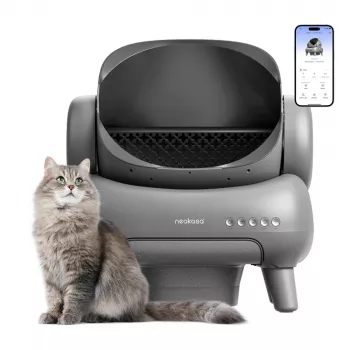
Product spotlight: Smart Automatic Self-Cleaning Cat Litter Box with App Control and Odor Elimination
Shop: Smart Automatic Self-Cleaning Cat Litter Box with App Control and Odor Elimination
Other in-stock picks
FAQ
How often does the waste drawer need to be emptied?
It depends on the number of cats, how often the unit cycles, drawer capacity, and how strongly the litter controls odor. Many households land somewhere between every few days and once a week, but it’s best to empty sooner if you notice smells increasing or the app indicates the drawer is full.
Is an automatic litter box safe for cats that are nervous around noise or movement?
Most cats can use an automatic box safely with a gradual introduction: keep it off at first, then run cycles only when the cat is away. In the first week, supervise and watch for avoidance; if your cat stops using the box or seems distressed, pause the transition and consult a veterinarian for guidance.
What litter works best with a self-cleaning mechanism?
Clumping litter is commonly the best match because it forms firm clumps that separate more cleanly during sifting or rotation. Very lightweight, non-clumping options or large pellets may not sift well, so follow the unit’s compatibility guidance for the most reliable cleaning and odor results.









Leave a comment