Ultralight 3D Printed Carbon Saddle Fit & Comfort Guide
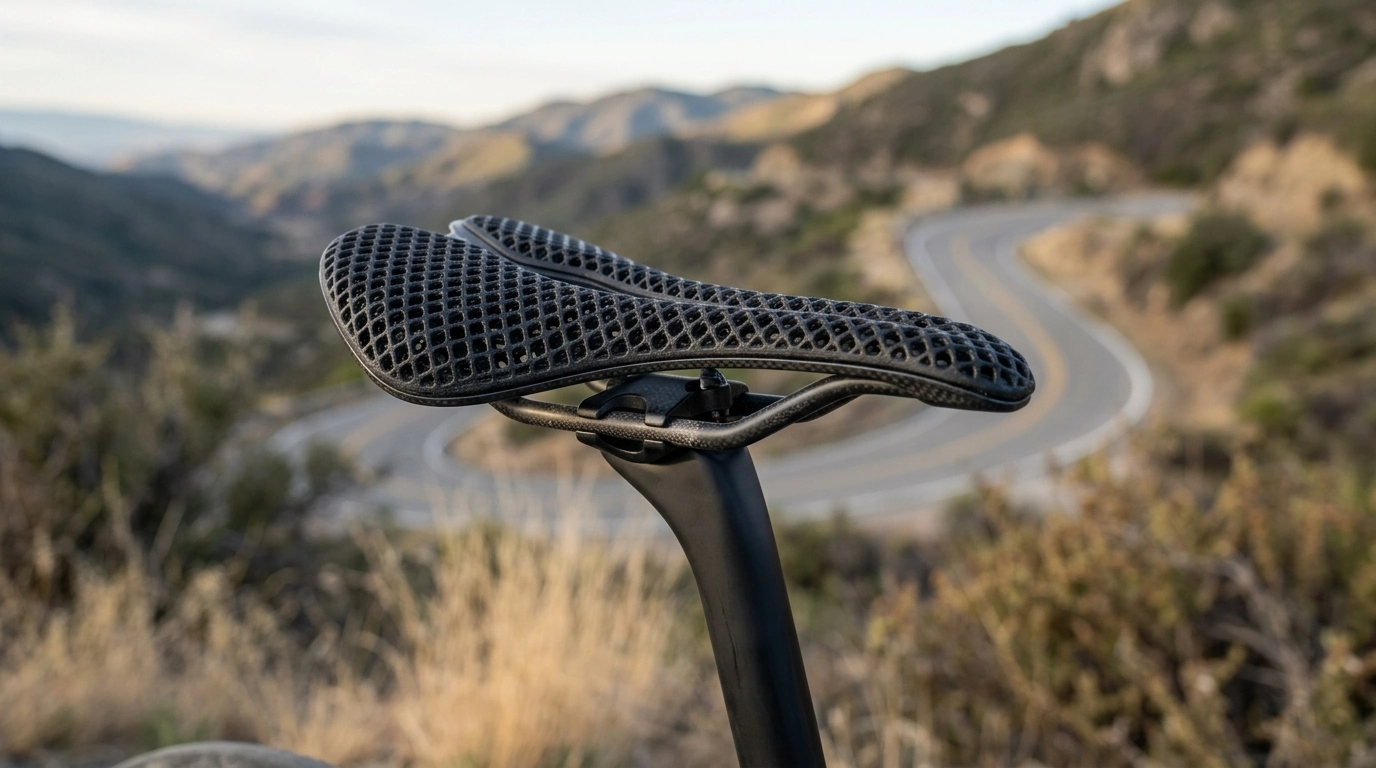
Ultralight 3D Printed Carbon Road Bike Saddle: Comfort, Fit, and Race-Ready Weight
An ultralight road saddle can transform climbing, accelerations, and long-ride comfort—but only when shape, width, rail standard, and printed lattice support match the rider’s position. This guide breaks down what to look for, how to dial in fit, and what to expect from a 3D printed top paired with a carbon base. For more guidance, see Mason Bokeh GRX – Cycling News | Bike Reviews.
What makes a 3D printed carbon road saddle different
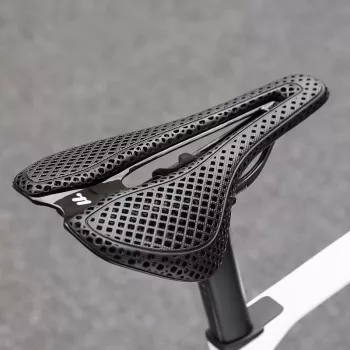
A traditional road saddle typically relies on foam with a fairly uniform density. A 3D printed saddle replaces that foam feel with a lattice structure that can be tuned to support different zones—firmer where you need stability, more compliant where you need pressure relief. The result can feel “supported” rather than “cushy,” especially when you settle into a steady tempo. For further reading, see BUCKLOS 3D Printing Road MTB Bicycle Saddle Ultralight ….
Pair that printed top with a carbon base and you get a very direct interface: efficient power transfer, quick response during surges, and a noticeable drop in overall bike weight for riders chasing a lean build. The open lattice also improves ventilation, which is a real perk for hot climbs and indoor training where heat and moisture build quickly.
That said, ride feel isn’t one-size-fits-all. Lattice firmness, shell flex, and posture matter. An upright endurance position often wants slightly more overall support under the sit bones, while an aggressive, forward-rotated posture benefits from a nose shape and pressure-relief channel that protect soft tissue while still keeping you stable when you’re on the rivet.
Who it suits best
A 3D printed carbon road saddle is a strong match for riders who prioritize speed and efficiency but won’t compromise on comfort during longer days.
- Road riders focused on climbing, racing, and fast group rides where weight and responsiveness matter.
- Riders who struggle with numbness on traditional foam saddles and want better pressure distribution.
- Cyclists who prefer a supportive, stable platform for a forward-rotated pelvis in an aerodynamic position.
- Less ideal for riders seeking plush suspension over rough gravel unless paired with wider tires and a compliant setup.
Key fit factors before buying
Ultralight saddles reward precise selection and careful setup. A few millimeters can be the difference between “disappears under you” and “counts down the miles.” If you’re unsure, a professional fit can help establish baselines—especially for setback and cockpit reach. Helpful general guidance is available from BikeFit saddle position resources, and pressure/comfort research is frequently published through journals such as the International Journal of Environmental Research and Public Health.
Width
Width should support your sit bones in your actual riding posture. Too narrow often increases soft-tissue pressure; too wide can cause inner-thigh rub and chafing. Riders who rotate forward more typically need a shape that still supports the pelvis without forcing pressure into the nose.
Nose shape and cut-outs
A shorter nose or a pronounced relief channel can reduce perineal pressure in aggressive positions. The goal isn’t just “less pressure,” but stable pressure in the right places—so you’re not constantly shifting to escape discomfort.
Profile: flat vs waved
Flat profiles suit riders who stay in one primary position. Waved profiles create a “pocket” that can help you brace during hard efforts and prevent sliding forward, which matters on steep climbs or sustained threshold work.
Rail type and clamp compatibility
Fit checklist and setup targets
| Item | What to check | Practical target |
|---|---|---|
| Width | Sit-bone width and posture | Choose a width that supports sit bones without inner-thigh rub |
| Tilt | Nose angle relative to level | Start level; adjust in 1–2 mm increments to reduce pressure without sliding |
| Setback | Fore-aft relative to bottom bracket | Align to knee-over-pedal preference and hip comfort; avoid over-reaching |
| Height | Leg extension at bottom of stroke | Keep hips stable; no rocking at endurance cadence |
| Rails/clamp | Material and shape compatibility | Use the correct clamp hardware and torque range for carbon rails |
What to expect on the road: comfort, stiffness, and vibration
Installation and care for carbon saddles
Ultralight 3D Printed Carbon Road Bike Saddle: highlights
The Ultralight 3D Printed Carbon Road Bike Saddle is built around a simple goal: deliver race-ready weight with a supportive, modern contact surface that’s more adaptive than basic foam. The lattice-style top is designed to balance pressure relief and stable pedaling support, while the carbon structure keeps the feel responsive during hard accelerations and long climbs.
Quick spec snapshot (verify against the product page for the latest details)
| Detail | What it means for riding |
|---|---|
| 3D printed lattice top | Adaptive support and improved pressure distribution versus basic foam |
| Carbon base/structure | Low weight and responsive feel under load |
| Road-focused shape | Supports forward positions common in endurance and race fits |
| Premium construction | Benefits most noticeable on longer rides and sustained efforts |
More in-stock picks
- 100W Foldable Solar Panel for Portable Power Stations
- One Row Crystal Men’s Ring – Hip Hop Iced Out CZ Pave Ring in Gold and Silver
FAQ
Does a 3D printed saddle reduce numbness on long rides?
Often yes—when width, tilt, and fore-aft are correct. The lattice can spread pressure and support blood flow better than thin foam, but the wrong size or an excessive nose-down tilt can still cause numbness.
Are carbon rails safe for everyday riding?
Yes, as long as your seatpost clamp is compatible and torque is set correctly. Avoid overtightening, inspect after impacts, and replace the saddle if you notice cracks or deep gouges.
How should the saddle be leveled during setup?
Start level using the saddle’s main sitting area rather than the upswept tail. Then fine-tune in very small increments until you’re not sliding forward and soft-tissue pressure is minimized.








Leave a comment