Countdown Timer Slow Cooker: Dishwasher-Safe Crock Tips
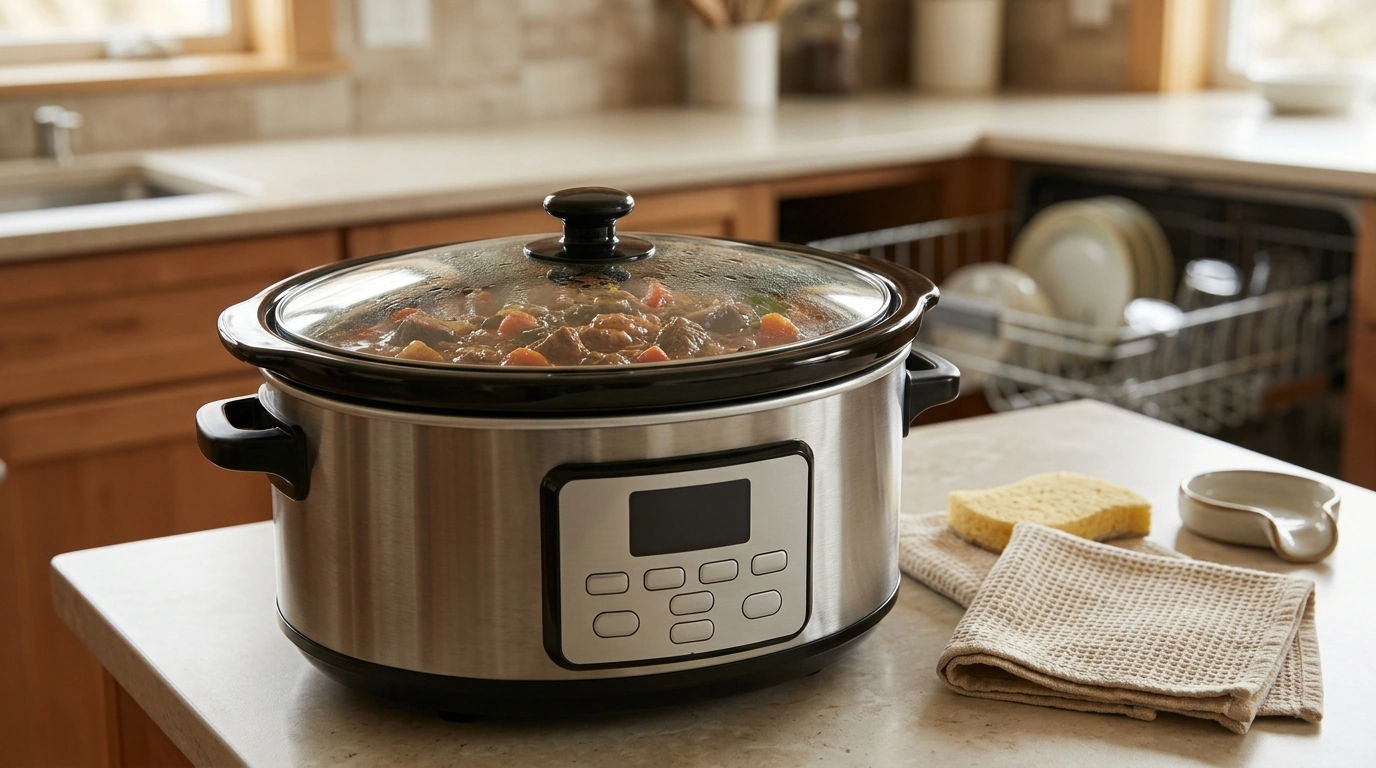
A programmable slow cooker with a countdown timer makes hands-off meals easier to time, while a dishwasher safe crock cuts down cleanup. This guide breaks down what to look for, how to use key features effectively, and how to keep your cooker performing reliably for everyday family dinners, meal prep, and entertaining.
What makes a programmable slow cooker different
Traditional slow cookers rely on manual dials and rough timing. A programmable model adds precision and convenience that fits real schedules.
- Digital programming lets you set a cook time in advance instead of estimating with a dial.
- A countdown timer shows remaining cook time at a glance, which helps coordinate sides, workdays, or school pickup.
- Many models switch to warm automatically when the cook cycle ends, reducing the risk of overcooking if dinner runs late.
- A removable, dishwasher safe crock streamlines cleanup compared with fixed-pot designs.
Countdown timer and automatic warm: how to use them well
The timer and warm mode are most helpful when they’re used intentionally—especially for proteins and vegetables that can turn mushy or dry if held too long.
- Set cook time based on recipe structure: collagen-rich cuts and dried beans need longer; lean meats and delicate vegetables need less.
- Use the countdown display as a planning tool. Add quick-cooking ingredients (peas, spinach, dairy, fresh herbs) near the end to protect texture.
- Think of warm mode as a holding feature, not a second cook cycle. Extended holding can dry out lean proteins like chicken breast.
- Avoid lifting the lid repeatedly. Each peek releases heat and can add meaningful time to the cook.
Dishwasher safe crock: cleanup and care
A dishwasher safe crock is a major quality-of-life upgrade, but a little care helps it last longer and look better over time.
- Let the crock cool before rinsing to reduce thermal shock; sudden temperature changes can stress ceramic or stoneware.
- Soak stuck-on residue with warm water and mild detergent before dishwashing; avoid abrasive pads that can dull finishes.
- Confirm whether the lid is also dishwasher safe. If it is, place it securely so it won’t rattle and chip.
- Dry everything fully before storage to prevent odors and keep any seals or gaskets (if present) in good condition.
Capacity, shape, and what they mean for real meals
Slow cooker “size” isn’t just about servings—it affects how evenly food cooks and how well the pot holds temperature.
- Oval crocks fit roasts, ribs, and whole poultry pieces more naturally; round crocks suit soups, chili, and dips.
- Most cookers perform best when not extremely underfilled or overfilled—follow the manual’s recommended fill range for your model.
- For batch cooking, favor leftover-friendly recipes like pulled chicken, marinara, or bean chili that reheat without getting weird.
- For entertaining, choose foods that hold texture on warm (meatballs in sauce, queso, mulled cider) instead of delicate fish.
Feature checklist for everyday convenience
When the goal is dependable weeknight cooking, a few details matter more than a long list of extras.
- Program options: clear low/high/warm modes and an easy-to-read countdown display.
- Keep-warm behavior: whether warm engages automatically, and whether it’s timed or runs until you turn it off.
- Lid fit: a snug lid reduces moisture loss; tempered glass helps you monitor without lifting.
- Handles and stability: cool-touch handles and a stable base make it safer to move when full.
- Cord length and storage: make sure it reaches your intended outlet without creating a trip hazard.
Quick setup guide for common slow-cooker meals
| Meal type | Typical setting | Typical time range | Best add-ins near the end | Notes |
|---|---|---|---|---|
| Beef stew | Low | 8–10 hours | Peas, fresh herbs | Brown meat first for deeper flavor; keep potatoes in larger chunks. |
| Pulled pork | Low | 8–10 hours | BBQ sauce (optional) | Cook until it shreds easily; hold on warm briefly, then rest. |
| Chicken tortilla soup | Low | 6–8 hours | Lime, cilantro, tortilla strips | Remove chicken to shred, then return to avoid overcooking. |
| Vegetarian chili | High or Low | 4–6 hours (High) / 7–9 hours (Low) | Corn, delicate beans, cocoa/spices | Add tender vegetables late to keep bite. |
| Hot dip (party) | Warm (after heating) | Hold 1–3 hours | Fresh toppings | Heat on high/low first, then switch to warm for serving. |
Safety and food quality essentials
For deeper guidance, see USDA Food Safety and Inspection Service: Slow Cookers and Food Safety and the CDC’s Four Steps to Food Safety.
Troubleshooting common slow-cooker problems
A practical pick for timed, low-effort meals
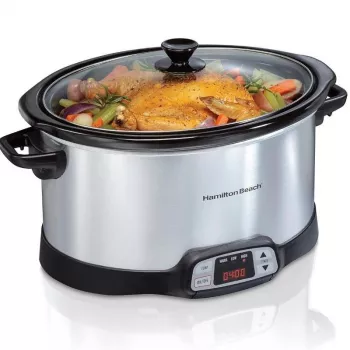
A countdown timer supports predictable scheduling for busy days and meal prep routines, and a dishwasher safe crock reduces cleanup friction—two details that make it easier to use your slow cooker weekly. For a straightforward option, consider the Programmable Slow Cooker with Countdown Timer & Dishwasher Safe Crock. If you also plan to cook during camping trips or power interruptions (with a compatible power station), the 100W Foldable Solar Panel for Portable Power Stations can help support an off-grid setup.
FAQ
Does the slow cooker switch to warm automatically after the timer ends?
Many programmable models do switch to warm automatically when the cook time finishes, but the exact behavior varies by unit. Check the control panel labels and your manual to see whether warm is timed or runs until you turn it off.
Can the crock and lid go in the dishwasher?
A removable crock may be labeled dishwasher safe, but lid dishwasher safety depends on the model and materials. Let parts cool first, place the lid securely to prevent chipping, and avoid abrasive scrubbers on finished surfaces.
Is it safe to leave a slow cooker running while away from home?
It can be safe when used as directed: set it on a stable, heat-safe surface with clearance, don’t overfill, keep vents unobstructed, and use an undamaged cord. For food safety, start with thawed meats when required, use hot liquids when possible, and keep the lid closed.








Leave a comment