Abstract Rugs: Modern or Traditional? How to Tell
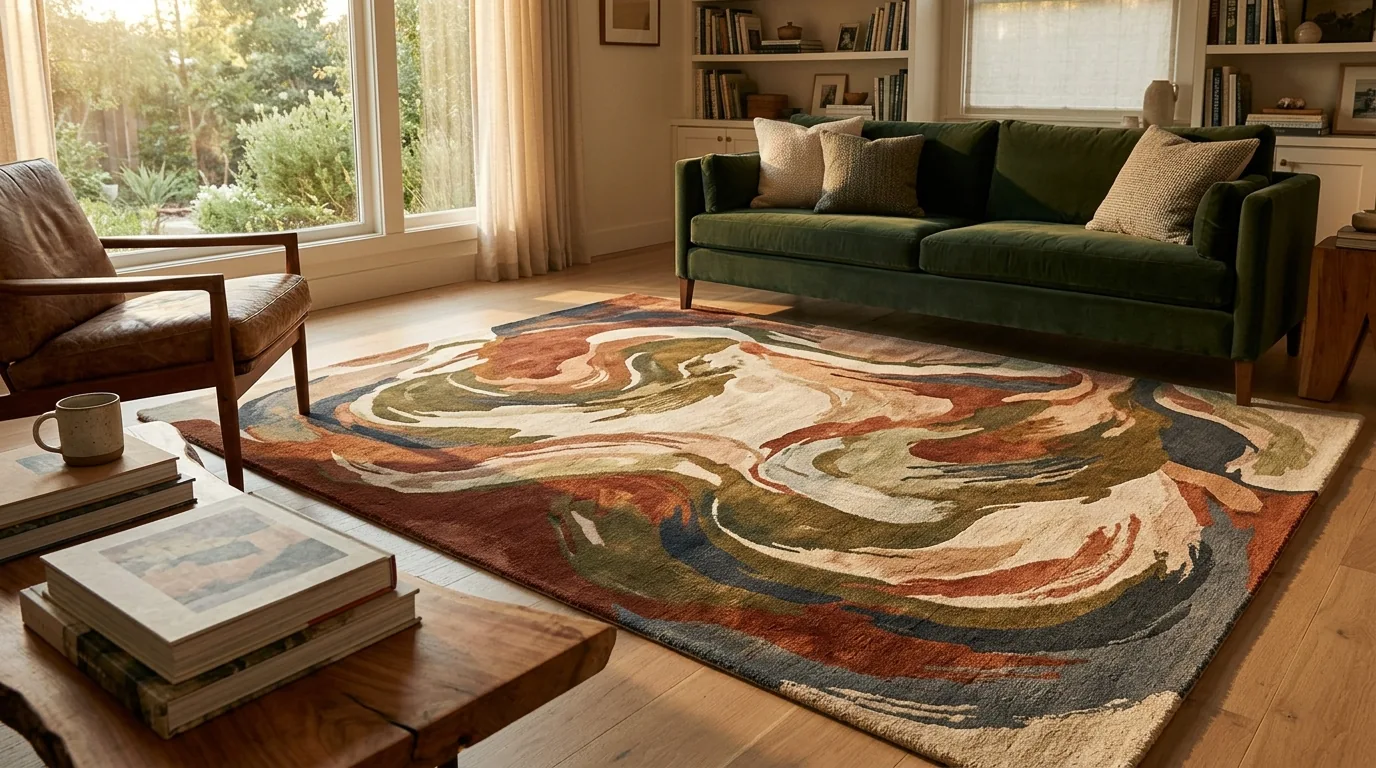
Are abstract rugs modern or traditional?
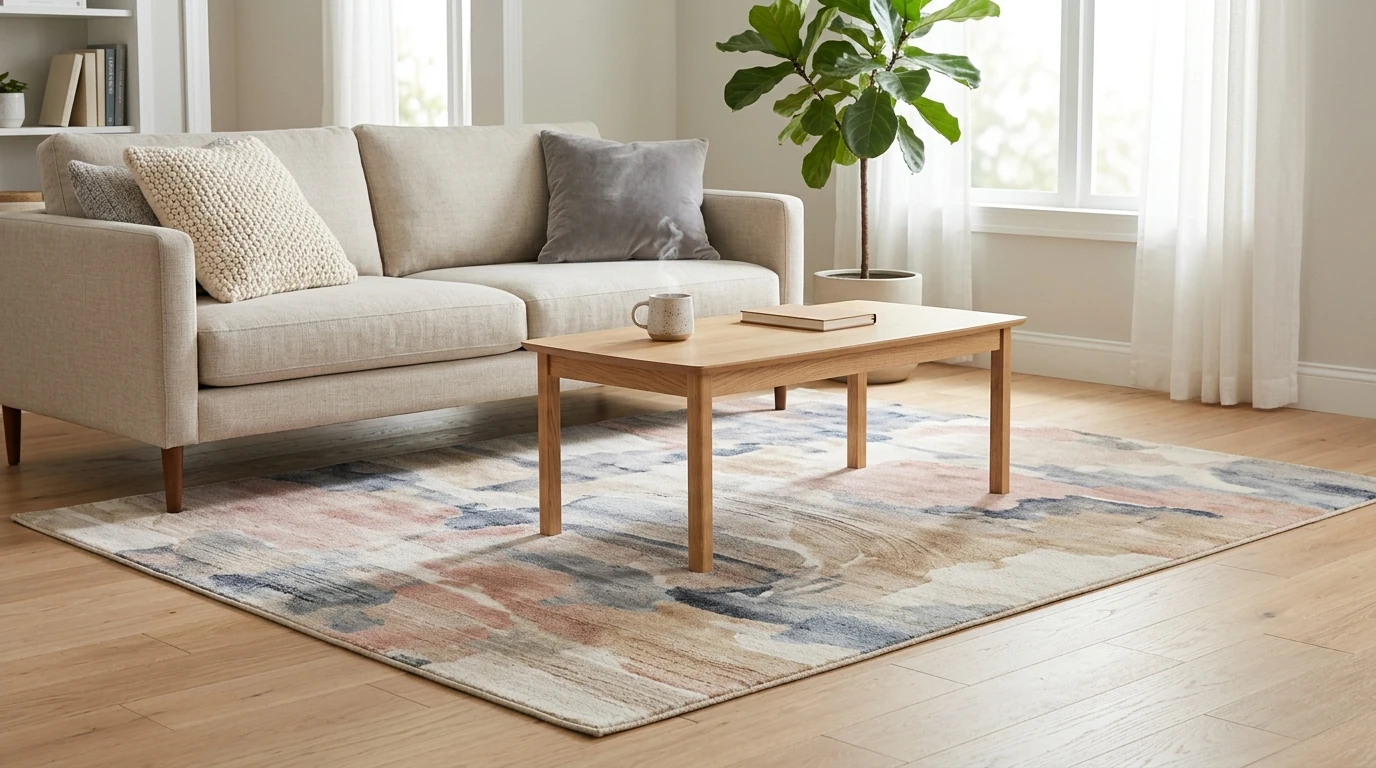
Abstract rugs are typically considered modern, but they can read as either modern or traditional depending on the pattern style, color palette, and how they’re placed in a room. “Abstract” simply means the design doesn’t depict a literal scene; it can be made of loose brushstroke shapes, broken-up geometrics, faded medallion-inspired layouts, or marbled color fields.
In modern interiors, abstract rugs feel right at home because they echo contemporary art: bold shapes, asymmetric movement, and clean negative space. Pair one with streamlined furniture, neutral walls, and metal or glass accents and it will look unmistakably current.
That said, many abstract rugs lean traditional when they borrow from classic motifs—think distressed Persian-style borders, softened floral suggestions, or antiqued colorways like burgundy, navy, olive, and warm neutrals. In those cases, the abstraction functions like a “timeworn” interpretation of tradition, making it easy to blend with wood furniture, vintage décor, and layered textures.
How to tell which direction an abstract rug leans
Color: High-contrast black/white, bright primaries, and cool grays tend to feel modern. Muted jewel tones, tea-stain beiges, and warm, earthy mixes often feel more traditional.
Linework: Crisp edges and repeating geometry read contemporary. Broken patterns, intentional fading, and ornamental hints feel classic.
Material and pile: Sleek low-pile or flatweave constructions skew modern; plush piles and heathered, “antiqued” yarn effects can skew traditional.
Where abstract rugs fit best
Abstract rugs work especially well in high-traffic living rooms and open-concept spaces because the movement in the design helps disguise everyday wear and minor stains. They’re also a smart choice when the furniture is simple—an abstract rug can add visual energy without requiring more décor.
For more examples and styling ideas, see the full guide here: https://ansele.com/are-abstract-rugs-modern-or-traditional/.
FAQ
What colors work best with an abstract rug?
Pull 1–2 accent colors from the rug for pillows or art, then keep larger pieces (sofa, walls, curtains) in calmer neutrals. This keeps the room cohesive while letting the rug stay the focal point.






Leave a comment