160 PSI Portable Bike Floor Pump with Dual Valve Head
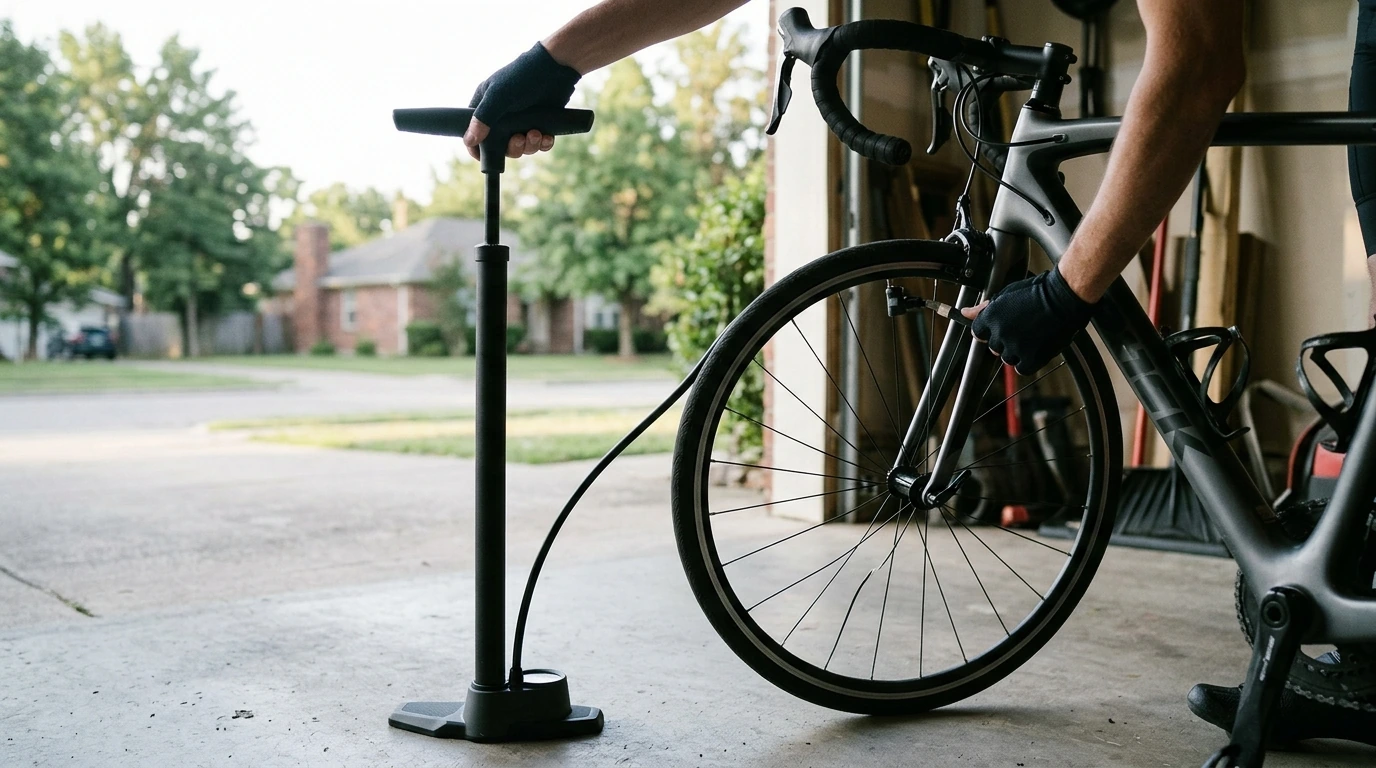
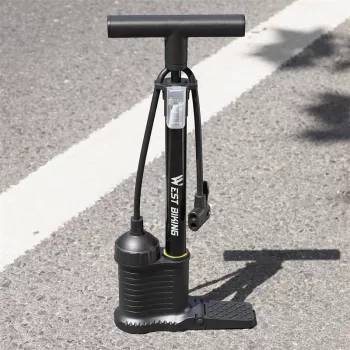
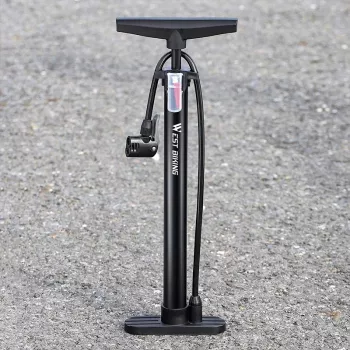
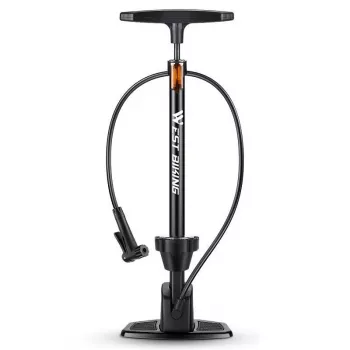
High-Pressure Portable Bike Floor Pump 160 PSI with Dual-Valve Head
A reliable floor pump is the fastest way to get consistent tire pressure before a ride—at home, at the trailhead, or on the road. Our team likes this high-pressure portable bike floor pump because it’s built to reach up to 160 PSI and uses a dual-valve head, so you can move between common bike valve types without hunting for extra adapters or swapping parts. For more guidance, see Group test: Choose the best portable cycle pumps.
When your tires are consistently inflated, your bike feels more predictable: steering tightens up, rolling resistance stays in check, and you’re less likely to pinch-flat on rough spots. If you want a simple tool that supports both quick top-offs and higher-pressure road setups, this style of pump is a dependable choice. For further reading, see Group test: Choose the best floor pumps.
What a 160 PSI floor pump helps you do
A higher-pressure ceiling isn’t about inflating everything to the max—it’s about having enough headroom to hit your target pressure accurately, even on narrower tires.
- Dial in the feel of a ride: Small pressure changes can affect rolling speed, comfort, and cornering traction.
- Handle higher-pressure needs: Great for road and many commuter setups where compact hand pumps can be slow or inconsistent.
- Make routine top-offs easy: Tires naturally lose air over time, so a dependable pump saves time and reduces guesswork.
- Support multiple bikes in one household: One pump can cover different tire widths and riding styles when it reaches higher pressure ranges.
Dual-valve head basics: Presta and Schrader without the hassle
If you’ve ever tried to pump a tire and realized the head didn’t match the valve, you already understand the value of a dual-valve design. Presta and Schrader are the two standards you’ll see most often, and they behave a little differently.
- Presta valves are common on road bikes and many performance wheels; they’re narrower and use a small locknut at the top.
- Schrader valves are common on many city, hybrid, and kids’ bikes; they look like car-tire valves.
- A dual-valve head is designed to work with both standards so switching between bikes stays simple.
- For best results: Seat the pump head fully on the valve, lock it securely, and remove it straight off to reduce air loss at the end.
Quick valve checklist
| Valve type | Where it’s common | Before pumping |
|---|---|---|
| Presta | Road bikes, many MTB wheels, performance rims | Unscrew the small tip nut; press briefly to ensure it’s not stuck |
| Schrader | City/hybrid/kids bikes, many budget wheels | Remove cap; check the core is snug if it’s removable |
If you want a deeper visual reference for identifying valves and learning the little “gotchas,” two helpful primers are Park Tool’s Presta vs. Schrader guide and Schwalbe’s tire pressure basics.
Portable floor pump advantages for real-world riding
A floor pump format tends to feel steadier than a mini pump, especially as pressure climbs. When you’re topping off frequently, stability matters: it’s easier to keep the head sealed, maintain smooth strokes, and hit the same PSI again and again.
- More stability than a mini pump: A floor format typically feels steadier when inflating to higher pressures.
- Better for frequent top-ups: Keep it near the door, in the garage, or pack it for a weekend trip so every ride starts with consistent pressure.
- Helpful for mixed surfaces: Adjust pressure up for pavement, down for gravel or rougher paths (always within your tire and rim limits).
- Works well for multi-bike households: One pump can cover road, gravel, and commuter bikes when paired with a dual-valve head.
Getting tire pressure right (without overthinking it)
Start with what your tire already tells you. The sidewall pressure range is the simplest boundary to stay within, and it’s a safer guide than copying someone else’s number.
General starting points (always verify your tire’s printed limits)
| Bike setup | Typical tire width | Common starting range (PSI) |
|---|---|---|
| Road | 23–28 mm | 70–110 |
| Gravel | 35–45 mm | 35–60 |
| Hybrid/commuter | 32–45 mm | 40–75 |
| Mountain | 2.2–2.6 in | 18–35 |
Simple routine: inflate faster and protect the valve
Care, storage, and quick troubleshooting
In-stock picks from our store
- High-Pressure Portable Bike Floor Pump 160 PSI with Dual-Valve Head
- 3D Puzzle Scout Beetle
- Montessori Floor Bed with Fence
- 1/6 Ophelia BJD Doll
FAQ
Does the dual-valve head work with both Presta and Schrader valves?
Yes—this style of dual-valve head is made to fit both common standards. You can identify Presta by its narrow body and small tip nut (open it before pumping), while Schrader looks like a car valve (remove the cap and pump normally).
Is 160 PSI too much for my bike tires?
160 PSI is the pump’s maximum capability, not a target tire pressure. Use the pressure range printed on your tire sidewall, then choose a number within that range based on tire width, rider load, and the surfaces you ride.
Why does some air escape when removing the pump head?
A brief hiss is usually air releasing from the pump head or hose rather than a big loss from the tire itself. To minimize it, fully seat and lock the head, then remove it straight off without twisting.







Leave a comment