6L Smart Humidifier: Warm/Cool Mist + Alexa, 60H
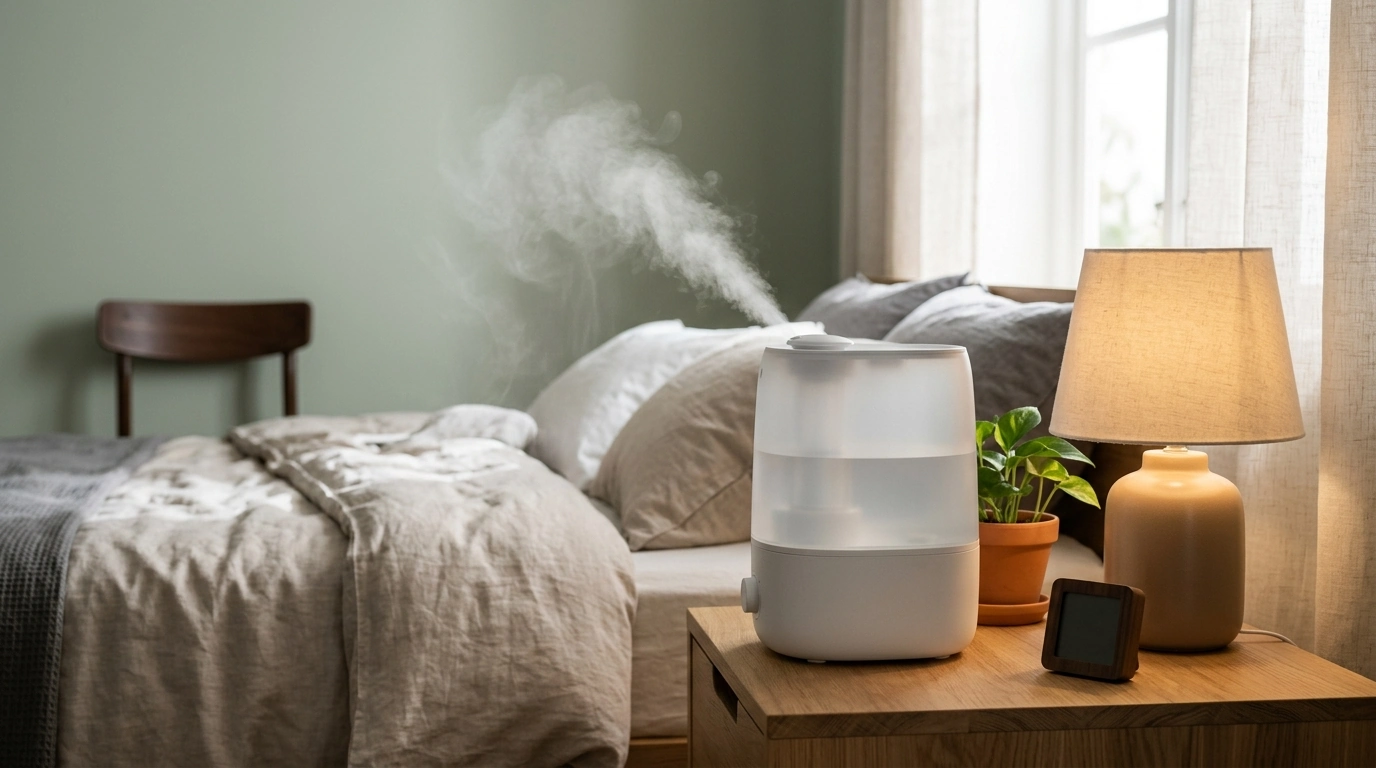
6L Smart Humidifier with Warm & Cool Mist and Alexa Control
Balanced indoor humidity can make sleep more comfortable, help reduce dry-air irritation, and protect wood furniture and plants. A smart humidifier adds the convenience of app scheduling, voice control, and automatic output adjustments—especially useful when temperatures and heating cycles change from day to night.
Quick look: what this humidifier is built to do
- Provides both warm mist (fast comfort in colder months) and cool mist (everyday humidity without warming the room).
- Large 6L tank designed for long stretches between refills, up to 60 hours depending on mist level and conditions.
- Smart controls for schedules and routines; Alexa compatibility for hands-free adjustments.
- Better fit for bedrooms, nurseries, and living spaces where steady humidity matters overnight.
At-a-glance details
| Feature | What it means for daily use |
|---|---|
| 6L water tank | Fewer refills during the week and more reliable overnight coverage |
| Warm & cool mist modes | Flexibility for winter comfort or year-round use |
| Up to 60-hour run time | Long operation at lower output settings |
| Alexa compatibility | Voice control for quick changes without leaving bed |
Warm vs. cool mist: choosing the right mode for the moment
Warm and cool mist can both improve comfort—what changes is how quickly you feel it and how the room behaves. Having both modes is practical in homes where heating runs hard at night, then shuts off in the morning, or where seasons swing between dry winters and humid summers.
- Warm mist: helpful when a room feels chilly and dry; can feel more soothing during colder seasons.
- Cool mist: efficient for continuous use and often preferred for maintaining steady humidity without adding warmth.
- Practical approach: use warm mist to quickly raise comfort levels, then switch to cool mist for maintenance.
Mode comparison
| Mode | Best use case | Notes |
|---|---|---|
| Warm mist | Cold weather comfort, quick soothing humidity | Place out of reach; follow safety guidance |
| Cool mist | Everyday humidity support, overnight operation | Maintain and clean regularly for best performance |
Smart control that fits real routines (app + Alexa)
Smart features are most useful when they reduce friction during the parts of the day you’re least likely to tweak settings—bedtime, nap time, and early mornings. Alexa compatibility also makes it easier to keep a consistent routine without getting up to check the unit.
- Hands-free adjustments: voice commands can handle simple changes like turning on/off, switching modes, or adjusting mist output when lights are out.
- Scheduling for sleep: set higher output before bedtime, step down after you fall asleep, and shut off in the morning.
- Automation idea: pair routines with a smart thermometer/hygrometer so output doesn’t overshoot when weather shifts.
- Nursery-friendly convenience: fewer disruptions when managing humidity around a sleeping baby.
6L capacity and long run time: what “up to 60 hours” looks like at home
“Up to 60 hours” is typically achievable when output is set lower and conditions are moderate. In very dry air—especially when central heat is running—the humidifier may work harder and run time will decrease. Room size, how often doors open, and the starting humidity also influence how quickly the tank empties.
- Run time depends on mist level, room size, temperature, and how dry the air is (heated homes typically require more output).
- A 6L tank generally supports overnight use without refilling and reduces daily maintenance compared with smaller units.
- Best practice: start at a moderate setting, then adjust after checking comfort and any hygrometer readings.
- If using warm mist frequently, expect higher energy use than cool mist operation.
Placement, humidity targets, and avoiding common problems
Humidifiers are at their best when they maintain a stable range—not when they run at maximum output all night. Many homes aim for a comfortable indoor humidity level around 30%–50%, adjusting lower in colder climates to reduce condensation risk on windows.
- Target a balanced range: commonly around 30%–50% to reduce dryness without encouraging condensation.
- Place with care: use a stable, water-resistant surface and avoid aiming mist directly at walls, electronics, or bedding.
- Watch for condensation: if windows bead up, lower the mist level or shorten run time; excess moisture can support mold growth.
- Measure, don’t guess: a standalone hygrometer in the room makes it easier to dial in settings.
For moisture and mold prevention basics, review guidance from the EPA and CDC. These resources are especially helpful if you’re managing humidity in older homes, rooms with frequent condensation, or spaces with limited ventilation.
Cleaning and water quality: keeping mist clean and consistent
Consistent cleaning is what keeps a humidifier pleasant to use: fewer odors, less mineral buildup, and more predictable output. Water quality plays a major role—hard water can leave residue more quickly, while stale water can lead to unpleasant smells.
When this humidifier is a strong fit (and when it isn’t)
Product page and current availability
More in-stock picks
- 100W Foldable Solar Panel for Portable Power Stations
- Nordic Girl Diver Reading Figurine
- One Row Crystal Men’s Ring – Hip Hop Iced Out CZ Pave Ring in Gold and Silver
FAQ
What humidity level should a bedroom be kept at?
A commonly recommended comfort range is around 30%–50%. In very cold climates, keeping humidity closer to the lower end can help reduce window condensation; a simple hygrometer makes it easy to monitor.
Is warm mist safe to run overnight?
Many people do run warm mist overnight, but it involves heating water, so safe placement matters. Keep the unit on a stable surface, out of reach of kids and pets, and follow the manufacturer’s safety instructions.
How often should a humidifier be cleaned?
A quick rinse and fresh water frequently (often daily or every couple of days) helps prevent odors and buildup. Plan a deeper clean/descale weekly or as directed by the manufacturer, especially if you have hard water.










Leave a comment