Ice-Cooling IPL Hair Removal: Flashes, Levels & Comfort
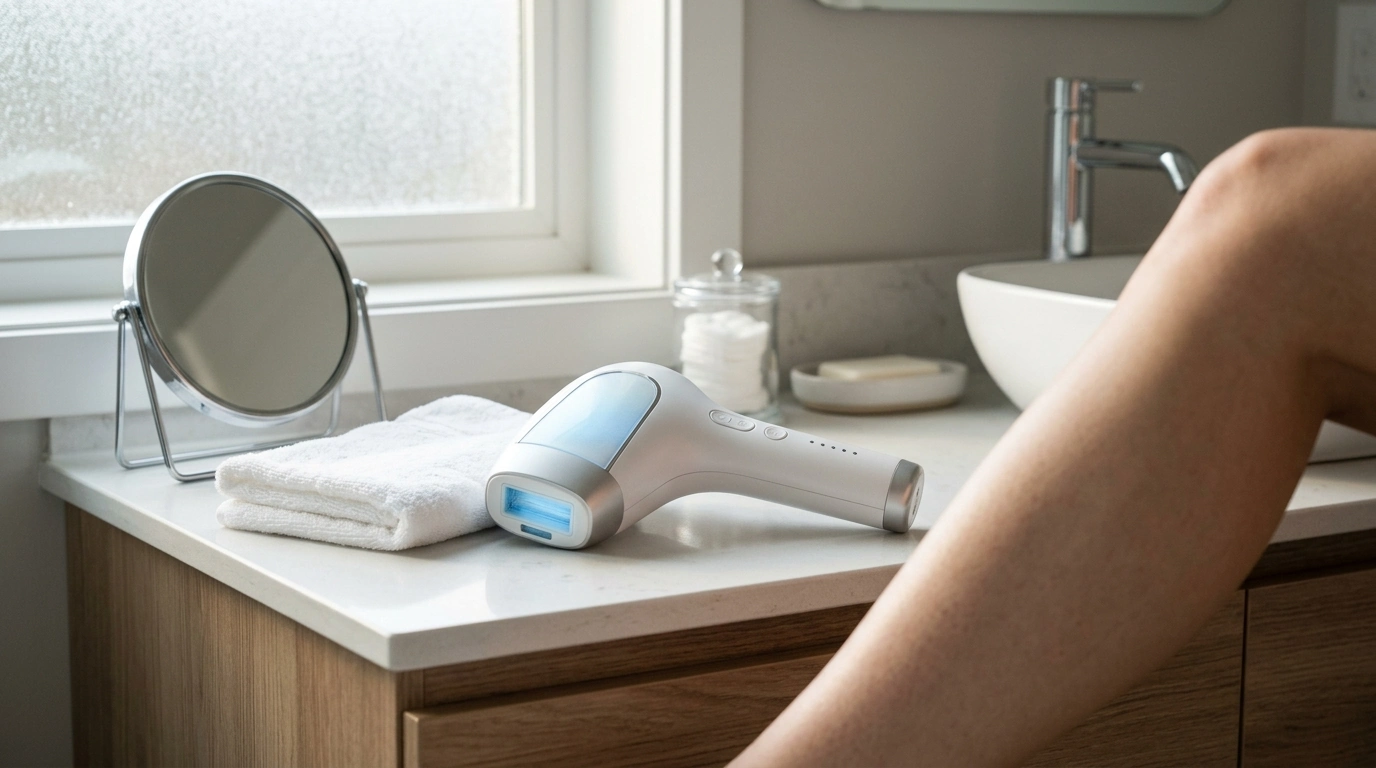
IPL Hair Removal with Ice Cooling: What It Is and Why It Feels Different
At-home IPL (intense pulsed light) is designed to reduce visible hair regrowth over time by sending controlled pulses of light into the skin to target pigment in the hair. With repeated sessions, many users notice slower regrowth and finer-looking hair in treated areas. Devices that add an ice-cooling treatment window aim to keep the skin’s surface cooler during flashes, which can make sessions feel more manageable—especially in sensitive zones.
For a helpful overview of light-based hair reduction and safety basics, see guidance from the American Academy of Dermatology Association and consumer laser/IPL safety information from the U.S. Food & Drug Administration.
What an Ice-Cooling IPL Device Does
IPL works by directing broad-spectrum light toward hair pigment (melanin). That light energy converts to heat in and around the follicle, which can help disrupt the hair growth cycle over repeated sessions. Unlike waxing or epilating, IPL is intended to be part of a longer-term routine rather than a one-and-done removal method.
The “ice cooling” component typically refers to a cooled sapphire/glass window at the treatment head. By lowering surface warmth right where the light is delivered, the device can reduce the sharp “snap” sensation that some people feel—particularly on areas like the bikini line or underarms.
Most people get the best experience by treating IPL like a schedule-driven habit: an initial phase (often weekly or every two weeks, depending on the device instructions) followed by maintenance sessions as needed.
Flashes and Energy Levels: What the Numbers Mean
When a device advertises a very high flash count (such as 999,900), that number is mainly about long-term capacity. Each flash is one pulse; higher totals reduce the likelihood of running out of flashes after months of full-body use. For many households, a high-capacity unit can cover years of routine sessions without needing replacement cartridges.
Energy levels matter more for day-to-day comfort and usability. A 9-level IPL device gives you more control to match intensity to the body area and your sensitivity. Delicate zones often feel better at lower settings, while larger areas like legs may tolerate moderate levels once your skin has adapted.
Consistency usually beats “max power.” If a setting is uncomfortable, it’s harder to stick to a schedule—so a slightly lower level that you can repeat reliably can be the smarter choice.
Quick guide to choosing an energy level
| Area | Typical sensitivity | Suggested starting level | Adjust up when |
|---|---|---|---|
| Upper lip/chin (if supported) | High | 1–2 | No lingering redness; minimal sting after a few test flashes |
| Underarms | Medium–high | 2–3 | Comfortable and skin returns to normal quickly |
| Bikini line | High | 1–3 | No prolonged heat; no excessive irritation next day |
| Arms | Medium | 3–5 | Hair is coarse and skin tolerates well |
| Legs | Low–medium | 4–6 | Comfortable coverage without repeated passes |
| Chest/back | Varies | 3–6 | Patch test is clear and consistent comfort is achievable |
Comfort Features: Ice Cooling, Flash Modes, and Pace
Cooling can be a major quality-of-life upgrade because it helps keep the surface sensation calmer while still allowing light energy to reach hair pigment. That can be especially useful when treating smaller areas that tend to feel sharper with each flash.
Also pay attention to pacing. A device that maintains a predictable rhythm between flashes makes it easier to cover skin in an even grid. When the pace is consistent, it’s simpler to avoid two common mistakes: skipping patches and repeatedly flashing the same spot.
Who It Tends to Work Best For
Darker skin tones require extra caution because more skin pigment can absorb light. Many devices include a skin tone chart and built-in safeguards; always confirm compatibility and follow the manufacturer’s guidance. For a broad comparison of hair removal options, the Mayo Clinic overview is a useful reference.
How to Use a 9-Level IPL Device Safely at Home
Session Schedule and What Results Usually Look Like
When Not to Use IPL
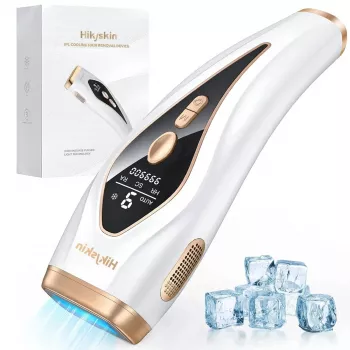
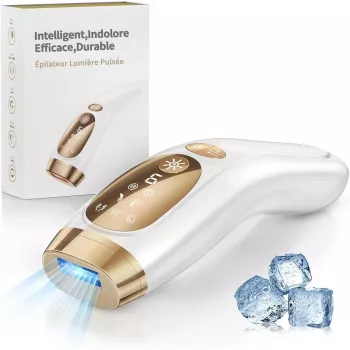
Product Snapshot: IPL Hair Removal Device with Ice Cooling, 999,900 Flashes, 9 Energy Levels
The IPL Hair Removal Device with Ice Cooling, 999900 Flashes, 9 Energy Levels is built for long-term routines, pairing a high flash capacity with nine intensity settings so you can scale comfort across areas like legs, arms, underarms, and the bikini line. The ice-cooling treatment window is intended to reduce surface heat sensation during flashes for a smoother-feeling session.
At-a-glance details
| Detail | Value |
|---|---|
| Flashes | 999,900 |
| Energy levels | 9 |
| Cooling feature | Ice cooling at treatment window |
| Availability | In stock |
| Price | 67.17 USD |
More In-Stock Picks
- 100W Foldable Solar Panel for Portable Power Stations
- Nordic Girl Diver Reading Figurine
- One Row Crystal Men’s Ring – Hip Hop Iced Out CZ Pave Ring in Gold and Silver
FAQ
How many flashes are needed for full-body treatments?
It depends on body size and whether you treat in tight grids or larger passes. As a rough idea, legs may take a few hundred flashes per session, while underarms and bikini line are often far less; 999,900 flashes is primarily a long-term capacity number meant to support many sessions over months or years.
Does ice cooling make IPL painless?
Ice cooling can reduce surface heat and make flashes feel gentler, but it doesn’t always eliminate sensation. Many people still feel a warm snap, so starting at a low level, patch testing, and gradually adjusting is the safest approach.
Can IPL be used on the face and bikini line?
Some devices support use on the face below the cheekbones and on the bikini line, typically at lower energy levels. Always avoid eyes/eyebrows, patch test first, and follow the device manual and skin tone guidance for those areas.






Leave a comment