Tire Inflator Portable Air Compressor: Car Kit Guide
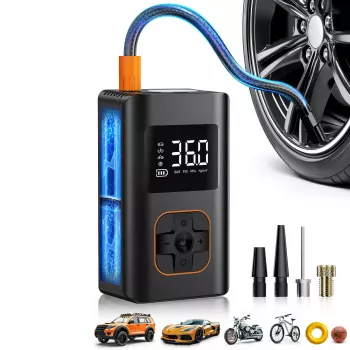
A tire inflator portable air compressor is a practical addition to your car kit when you want to be ready for routine tire-pressure adjustments. Along with a reliable gauge, it gives you a way to add air when a tire is below the vehicle manufacturer’s recommended pressure.
We suggest treating an inflator as one part of a broader preparation plan, not as a substitute for tire inspection or repair. Knowing your pressure target and recognizing signs of damage matter just as much as having a way to add air.
Why Keep a Portable Tire Inflator?
Tire pressure can change with temperature and gradually decrease over time. When a routine check reveals a tire that needs air, a portable inflator can help you adjust it without having to leave the task until later. Keeping one in your vehicle also makes it easier to prepare before a longer drive.
Correct tire pressure supports predictable vehicle handling and helps tires wear as intended. Underinflated tires can also affect fuel efficiency. The National Highway Traffic Safety Administration’s tire safety guidance offers more information on tire care and inspection.
Adding air, however, is not the same as fixing a tire. An inflator cannot repair a puncture, a damaged sidewall, or another cause of air loss. If a tire is visibly damaged, repeatedly loses pressure, or is too flat to drive safely, do not rely on inflation as a repair. Seek professional assistance.
Checking and Adjusting Tire Pressure
Start by finding the vehicle manufacturer’s recommended cold tire pressure. You can usually find it on a placard inside the driver’s door or in your owner’s manual. The recommended pressure may differ between the front and rear tires, so check the information for each position.
Measure pressure when the tires are cold, before driving or after they have had time to cool. Driving warms the tires and increases the pressure reading, which can make it harder to compare with the cold-pressure recommendation. The NHTSA’s tire-pressure guidance explains why regular checks are important.
Remove the valve cap and use a tire-pressure gauge to measure the tire. If the reading is below the recommended level, connect the inflator and operate it according to its instructions. Pause to verify the pressure with your gauge, and stop at the recommended value. If you add too much air, release a small amount and measure again.
| Step | What to do |
|---|---|
| Find the target | Consult the driver’s door placard or owner’s manual. |
| Measure cold | Use a tire-pressure gauge before driving or after the tires have cooled. |
| Adjust pressure | Inflate as needed and check the reading again. |
| Inspect the tire | Seek professional help for visible damage or repeated pressure loss. |
Check all four tires at least monthly and before longer trips, following your vehicle manufacturer’s guidance. If your vehicle has a spare tire, consult the owner’s manual for its inspection and pressure requirements, too. Replace each valve cap after checking, and avoid exceeding the vehicle’s recommended pressure.
A Practical Car-Kit Companion
We recommend keeping a tire-pressure gauge and flashlight with your inflator. The gauge lets you verify a reading, while the flashlight can help you see the valve and surrounding area in low light. Keep your vehicle’s emergency information and roadside assistance contact details somewhere you can find them quickly.
Store the inflator where it is accessible without unloading your entire vehicle. Follow its instructions for storage, power, and operation, and familiarize yourself with the process before you need it. When working near traffic, prioritize a safe location rather than trying to inflate a tire in an exposed spot.
During a pressure check, look for cuts, bulges, or objects embedded in the tire. If a tire will not hold air or appears damaged, arrange for professional help rather than continuing to add air and drive on it.
Shop the Tire Inflator Portable Air Compressor
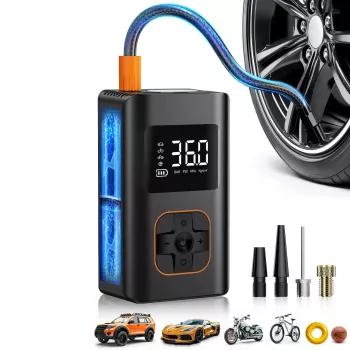
If you’re putting together or updating your car kit, view our Tire Inflator Portable Air Compressor. It’s currently $35.51 USD and is in stock. Pricing and availability can change.
We also carry items beyond car essentials, including the 3D Puzzle Scout Beetle if you’re browsing for a hands-on project.
Before choosing, compare the product details with your daily routine, available space, care needs, and preferred setup. The strongest option is usually the one that fits the intended use clearly and remains simple to clean, store, and check before repeat use.
It is also worth checking measurements, material notes, included parts, and compatibility details so the item matches the way it will be used after delivery.
FAQ
How often should I check my tire pressure?
Check your tire pressure at least monthly and before long trips, following your vehicle manufacturer’s guidance. Measure when the tires are cold.
What pressure should I inflate my tires to?
Use the recommended cold tire pressure on the driver’s door placard or in your owner’s manual. Do not use the maximum pressure on the tire sidewall as your target.
Can an inflator fix a punctured tire?
No. Adding air does not repair a puncture, and a damaged tire or one that repeatedly loses pressure needs professional attention.










Leave a comment