Wooden Camping Seasoning Cabinet for an Organized Camp Kitchen
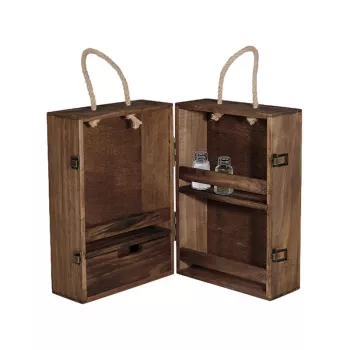
Wooden Camping Seasoning Cabinet: A Cleaner, Faster Camp Kitchen Setup
Camp cooking runs smoother when the small essentials stay in one predictable place. A wooden camping seasoning cabinet keeps spices, sauces, and quick-grab cooking basics organized, upright, and ready—so meals come together without digging through bins or balancing bottles on a picnic table. When your seasonings live “right there” every time, you spend less energy hunting and more time cooking, eating, and getting back to the reason you’re outside.
What a seasoning cabinet changes at camp
A dedicated cabinet doesn’t just store spices—it changes how your whole cook station behaves.
- Reduces the “where did the salt go?” shuffle by keeping seasonings in a dedicated home.
- Helps prevent leaks and crushed containers by separating spices from heavier cookware.
- Speeds up meal prep: open, grab, season, close—especially helpful for breakfast rushes and multi-dish dinners.
- Keeps a cleaner cooking zone by limiting loose items spread across the table or tailgate.
- Makes it easier to repack quickly when weather turns or it’s time to break camp.
Seasoning storage options at camp (quick comparison)
| Option | Best for | Trade-offs |
|---|---|---|
| Wooden seasoning cabinet | A tidy, repeatable setup for spices and small cooking items | Takes dedicated space in the vehicle/gear stack |
| Zip pouch or toiletry bag | Minimalist kits and ultralight packing | Harder to keep bottles upright; items tend to jumble |
| Plastic bin with loose spices | Group storage with other kitchen items | Frequent rummaging; small containers can tip or hide |
| Tabletop caddy/basket | Short trips with fair weather and stable tables | Less protection during transport; easier to spill |
How to stock a camp seasoning cabinet for real meals
The easiest way to avoid overpacking is to stock in “layers.” Build a core that supports almost anything, then add a couple targeted flavors that match the trip menu.
- Start with a “base layer” that fits most menus: salt, black pepper, garlic, chili flakes, and a favorite all-purpose blend.
- Add two “directional” flavors based on the trip: taco-style seasoning for quick proteins, and an herb blend for vegetables and eggs.
- Include one acid and one heat option: lemon pepper or citric seasoning; hot sauce or cayenne.
- Keep liquids bagged separately (even inside a cabinet) to avoid surprise mess during bumpy drives.
- Build a small restock routine: after each trip, refill containers and wipe down anything sticky before storing with the rest of the camp kitchen.
If you want your cabinet to feel “complete” without getting bulky, add one tiny tool: a set of mini measuring spoons or a half-teaspoon scoop. It keeps seasoning consistent when you’re cooking in wind, low light, or for a bigger group.
Where this cabinet fits in a camp kitchen workflow
Organization matters most when it’s tied to a routine. Once your cabinet has a job and a consistent spot, you’ll stop resetting your whole kitchen every meal.
- Pack it near the stove kit: seasonings are used most during cooking, not during dishwashing or water runs.
- Assign a landing zone: tailgate, picnic table corner, or a small side table—same spot every time to avoid searching.
- Pair it with a “prep box” (knife, board, oil) so the most-used items travel together from vehicle to cook station.
- Use it as the closing checklist: once spices go back inside, the cooking station is usually ready to pack down.
Our team likes a simple rhythm: set the stove, set the cabinet, then set the prep items. That order keeps lids closed until you’re truly ready to season, and it helps prevent the “everything out at once” clutter that attracts dust, pine needles, and curious hands.
Care and handling tips for wooden camp organizers
Wooden organizers do best with a little common-sense protection from water, heat, and rough transport.
Food safety is part of “care,” too. Keep your seasonings and cooking add-ins stored in a way that reduces cross-contact with raw foods and drips from coolers; the USDA’s outdoor food handling guidance is a solid reference for trip planning (USDA Food Safety and Inspection Service: Camping Food Safety). For broader campsite practices—especially around wildlife—review the National Park Service’s general direction on food storage (National Park Service: Food Storage).
A simple setup checklist before the next trip
Shop picks from our team
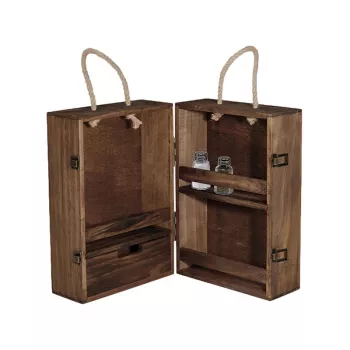
- Wooden Camping Seasoning Cabinet — a dedicated home for spices, small bottles, and quick-grab cooking basics.
- 3D Puzzle Scout Beetle — a hands-on build for cabin nights, rest days, or at-home downtime.
- 1/6 Ophelia BJD Doll — a collectible-style piece for hobby displays and creative projects.
FAQ
What should go in a camping seasoning cabinet besides spices?
Besides spices, you can stash compact essentials like sweetener packets, tea/coffee fixings, small measuring spoons, a lighter or matches, and a mini towel or cleaning cloth. Oils and sauces can fit too, but keeping liquids in a separate sealed bag helps prevent leaks from turning into a full-cabinet mess.
How do seasonings stay fresh on longer trips?
Use sealing containers, keep powders dry, and limit heat and sun exposure by storing your cabinet out of direct light when possible. Pack only what you’ll actually use, and wipe container rims clean so lids close tightly and don’t trap grit.
How should a wooden seasoning cabinet be cleaned after camping?
Wipe it down with a damp cloth and mild soap, then dry it completely instead of soaking it. Let it air out before long-term storage to clear any lingering moisture and reduce cooking odors.







Leave a comment