Handheld Pulse Stimulator for Sleep & Anxiety: How to Use
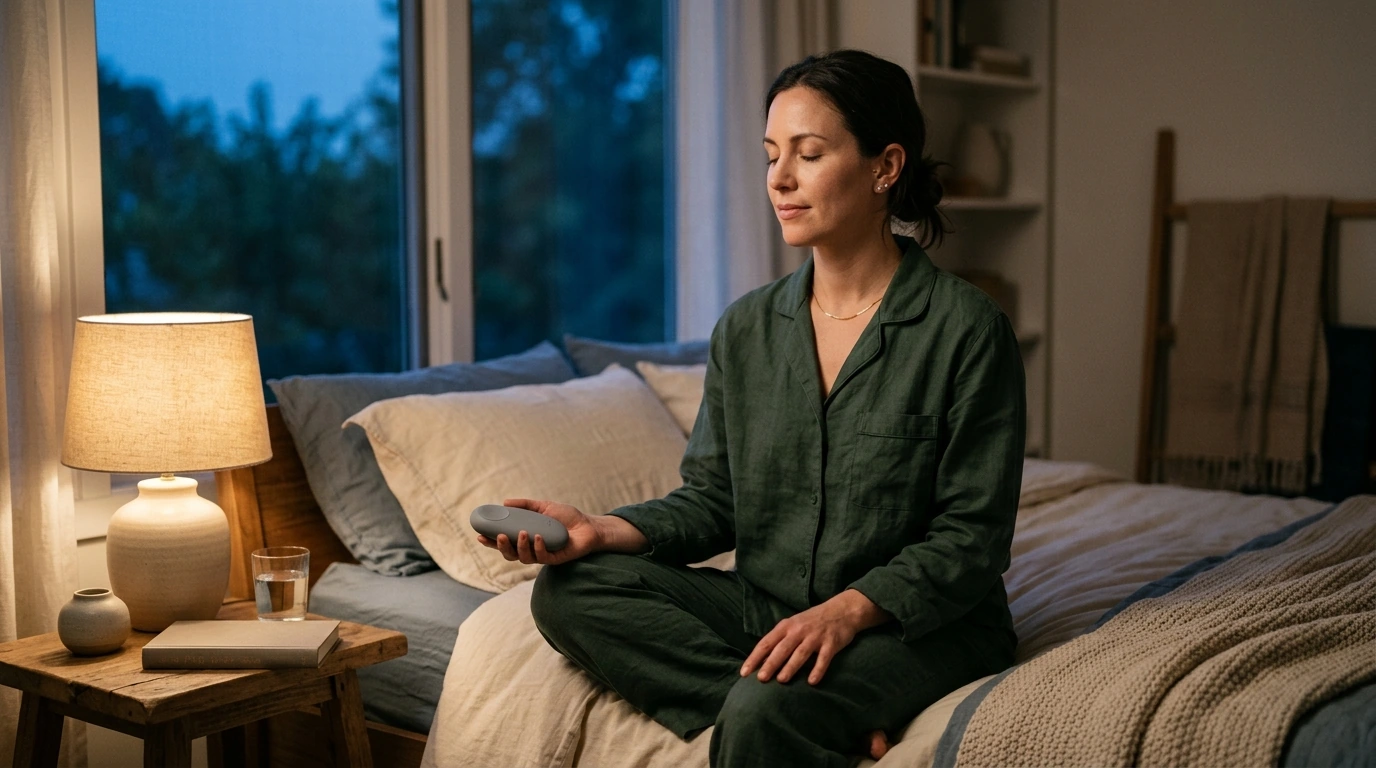
Smart Sleep & Anxiety Relief Handheld Pulse Stimulator: What It Does, How It Feels, and How to Use It
Trouble winding down at night or feeling keyed up during the day often comes down to how the body handles stress signals. A handheld pulse stimulator is designed to deliver gentle, controlled stimulation you can use during calm-down routines, before bed, or whenever tension spikes. This guide covers what to expect, how to use it comfortably, and how to decide whether it fits into a sleep and relaxation plan.
Quick overview
- Handheld format meant for short sessions at home, at work, or while traveling
- Designed for relaxation support and bedtime wind-down routines
- Best results typically come from consistent use paired with calming habits (dim lights, reduced screens, breathing exercises)
- Not a substitute for professional care for anxiety disorders, insomnia, depression, or panic symptoms
At-a-glance: who it may help most
| Need | When it shows up | How a short session may fit |
|---|---|---|
| Racing thoughts at bedtime | Lights out, can’t fall asleep | Use during a pre-sleep routine alongside breathing/low-stimulation activities |
| Body tension | Shoulders tight, jaw clenching | Use as a cue to relax muscles and slow the pace of breathing |
| Stress spikes during the day | Workload, commuting, social pressure | Brief session before a meeting or after stressful events |
| Difficulty switching off after screens | Late scrolling, alert mind | Pair with screen-free time and consistent sleep schedule |
How handheld pulse stimulation supports relaxation
- Delivers mild, rhythmic stimulation intended to feel soothing rather than intense
- Often used as a “body signal” to shift attention away from worry loops and toward physical calm
- May complement relaxation techniques by providing a consistent sensation to focus on (similar to a tactile anchor)
- Results vary by person; sensitivity, stress level, and timing (day vs. night) can change how it feels
Many people find that stress feels “mental,” but it has a strong physical footprint: faster breathing, clenched muscles, and a sense of being on alert. A simple, steady sensation can make it easier to stay with one calm point of focus long enough for the rest of the body to follow. If sleep is a struggle most nights, it may also help to review evidence-based sleep basics from the National Heart, Lung, and Blood Institute, and if anxiety symptoms are persistent or escalating, the National Institute of Mental Health is a solid starting point for understanding when to seek care.
What a session feels like and how to set the intensity
- Start low: the goal is comfortable stimulation that supports calm, not a strong jolt
- Increase gradually until the sensation is noticeable but still relaxing
- If it causes discomfort, muscle twitching that feels unpleasant, numbness, or skin irritation, lower the setting or stop
- Keep sessions consistent in length; long or overly intense sessions can be counterproductive for relaxation
A good “dialed-in” level is one you can notice without bracing against it. If you catch yourself tensing your shoulders, holding your breath, or waiting for the next pulse, the intensity is probably too high for a calming session. For sensitive days, it can help to shorten the session and keep intensity lower, then build up gradually over several nights.
How to use it for sleep: a simple nightly routine
- Pick a consistent window: 30–60 minutes before bed tends to work better than using it while already frustrated in bed
- Create a low-stimulation environment: dim lighting, quiet audio, and a cooler room temperature
- Pair stimulation with slow breathing: inhale gently through the nose, longer exhale to encourage downshifting
- After the session, transition directly into sleep cues: wash up, set alarms, and avoid returning to bright screens
Example wind-down plan (adjust as needed)
| Time | Step | Goal |
|---|---|---|
| 60–45 min before bed | Lower lights, silence notifications | Reduce alerting inputs |
| 45–30 min before bed | Use the pulse stimulator at a comfortable level | Support relaxation and focus |
| 30–10 min before bed | Light stretching or reading | Ease tension and slow the mind |
| Lights out | Brief breathing reset if needed | Transition to sleep without effort |
If you’re regularly awake for long stretches at night, it can help to learn how clinicians define and approach insomnia. MedlinePlus offers a straightforward overview: NIH MedlinePlus: Insomnia.
How to use it for daytime anxiety: quick resets
Safety notes and who should skip or ask a clinician first
Practical buying considerations for a handheld stimulator
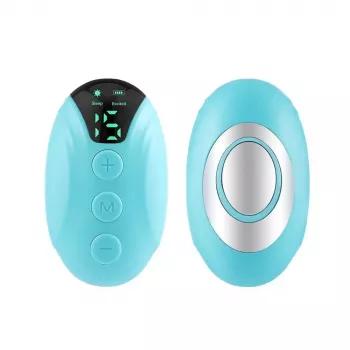
- Smart Sleep & Anxiety Relief Handheld Pulse Stimulator — a handheld option designed for short, repeatable relaxation sessions.
- Nordic Girl Diver Reading Figurine — a small bedside accent that pairs well with a screen-free reading wind-down.
- 100W Foldable Solar Panel for Portable Power Stations — useful for travel or off-grid weekends where keeping a low-light, low-screen evening routine still matters.
FAQ
How long should a relaxation session be before bed?
Aim for about 10–20 minutes to start, then adjust based on comfort and how you sleep over the next week. Consistency matters more than going long, especially when you pair it with a steady wind-down routine and lower evening stimulation.
Can it replace medication or therapy for anxiety or insomnia?
No—this type of device is best viewed as a supportive tool, not a replacement for treatment. If anxiety or insomnia is persistent, severe, or disrupting daily life, professional care (including evidence-based options such as CBT-I for insomnia) can be important.
What should it feel like if the intensity is set correctly?
It should feel clearly noticeable but comfortable—soothing rather than sharp or startling. If you feel pain, burning, unpleasant twitching, numbness, or skin irritation, lower the intensity or stop and reassess before trying again.







Leave a comment