Hybrid Hi-Res IEMs: Detachable Cable, Alloy Shell
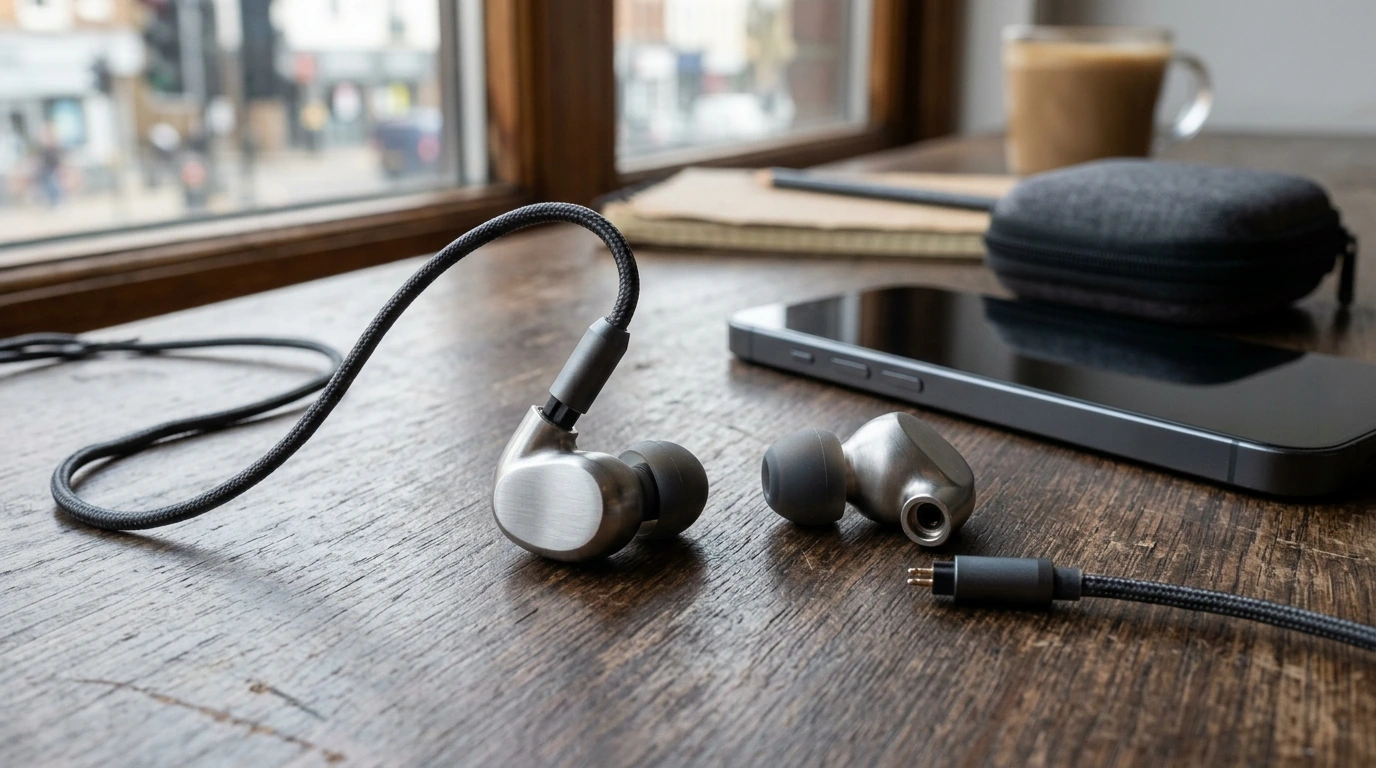
Hi-Res Hybrid In-Ear Earphones with Detachable Cable and Alloy Shell: Built for Detail, Tuned for Daily Use
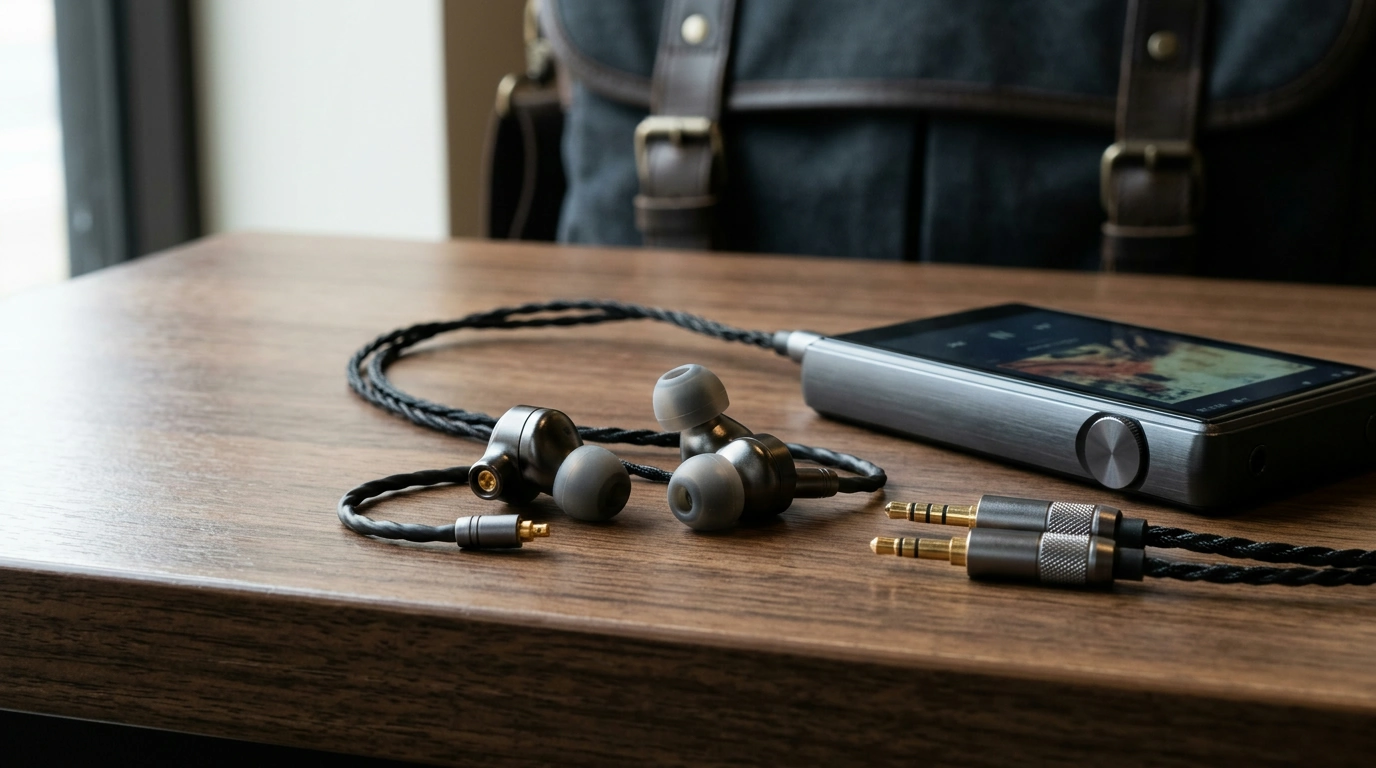
When you want more clarity than basic earbuds but still need something practical for commuting, desk listening, and travel, hybrid in-ear earphones hit a sweet spot. Our Hi-Res Hybrid In-Ear Earphones with Detachable Cable and Alloy Shell focus on three real-world wins: clearer separation from a hybrid driver approach, longer service life thanks to a detachable cable, and everyday durability with an alloy shell. Below, our team breaks down what those features mean in use, how to set them up with your devices, and the fastest ways to dial in fit for better sound.
What “hybrid” means for everyday listening
Hybrid earphones typically combine different driver types so lows, mids, and highs can be handled with more control than a single-driver design. In day-to-day listening, that usually translates into cleaner layering: vocals stay centered, bass lines keep their shape, and cymbal hits don’t blur into the rest of the track when the mix gets busy.
If your library jumps from pop to EDM to acoustic to podcasts, hybrid tuning tends to keep speech intelligible while still giving music energy and bite. One practical reminder: tip seal matters more than EQ at first. A weak seal often makes bass disappear and can make treble feel sharper than it should, so it’s worth locking in fit before you start tweaking settings.
Quick feature guide (what it does, why it matters)
| Feature | What it changes | Why it matters day to day |
|---|---|---|
| Hybrid driver design | Separates the workload across driver types | Helps keep vocals, bass, and detail from smearing together in busy tracks |
| Detachable cable | Cable can be replaced instead of retiring the earphones | Easier to repair, upgrade, or swap to a different cable style |
| Alloy shell | More rigid housing than typical plastic | Better durability for bags/pockets and a more stable feel in the ear |
| In-ear fit | Relies on tip seal for isolation and bass | Improves focus in noisy spaces and reduces the need to crank volume |
Hi-Res playback: how to actually benefit from it
“Hi-Res” matters most when your entire chain supports it: the source (file/stream), your device output, and a clean connection to the earphones. If you’re using a phone without a headphone jack, a solid USB-C or Lightning adapter/DAC helps avoid weak output and keeps the noise floor lower so quiet details aren’t masked. Apple’s adapter guidance is a helpful reference for Lightning devices at Apple Support.
When you do feed a higher-quality signal, the improvements you’re most likely to notice are the small things: reverb tails that don’t abruptly vanish, room ambience in live recordings, and the texture of acoustic instruments. Still, fit can be the bigger “upgrade” than jumping between two similar bitrates—good sealing tips and a comfortable insertion depth often deliver the most immediate, repeatable gains.
If you’re shopping for USB-C accessories, the USB Type-C ecosystem has specific compliance requirements; it’s worth sticking to reputable components and verified specs. The USB-IF resource hub is a reliable place to learn more: USB-IF — USB Type-C resources.
Detachable cable: the feature that saves a favorite pair
Cable wear is one of the most common reasons people replace otherwise-good earphones—usually near the plug, the Y-split, or the ear hook area. A detachable cable makes that failure point replaceable. For commuting and office use, it also makes storage easier: disconnecting the cable reduces sharp bending stress when you slide the set into a pocket or a small case.
Detachable designs can also keep your options open if you want a different length or a mic/remote cable for calls (depending on compatibility). One habit makes a big difference: unplug by gripping the connector housing, not the cable itself. That protects the pins and strain relief and helps prevent intermittent cutouts later.
Alloy shell: durability and comfort considerations
An alloy shell is all about rigidity and longevity. Daily carry is rough on gear—drops, desk edges, backpack zippers—so a sturdier housing is a practical advantage. The more rigid body can also help the earphones feel more stable when you’re adjusting the seal because the shell doesn’t flex under finger pressure.
For long sessions, comfort usually comes down to tips rather than the shell material. If you feel pressure points after an hour, a softer silicone tip can reduce hot spots while still holding a seal. After workouts or humid commutes, a quick wipe of the shells and nozzle area helps prevent buildup that can affect hygiene and tip grip over time.
Getting the fit right (the fastest path to better sound)
Care and longevity: small habits that keep performance consistent
More picks from our store
- Hi-Res Hybrid In-Ear Earphones with Detachable Cable and Alloy Shell
- 3D Puzzle Scout Beetle
- 1/6 Ophelia BJD Doll
Who this style of earphone fits best
FAQ
Will these earphones work with a phone that has no headphone jack?
Yes. You’ll need a compatible USB-C or Lightning audio adapter (or a small DAC), and it helps to use a clean, stable adapter with reliable output. Make sure the plug is fully seated to avoid channel dropouts.
Does a detachable cable change the sound?
Detachable cables are primarily for durability and flexibility. Any sound differences are usually minor unless you’re comparing very different cable designs or replacing a damaged cable that’s causing noise or intermittent connection.
How can bass be improved if the sound feels thin?
Start with fit. Try a larger tip size or a different tip material to get a stronger seal, because a proper seal typically restores bass and also smooths treble without heavy EQ.








Leave a comment