Hi-Res Dynamic IEMs: MMCX Cable & Dual Plug Flex
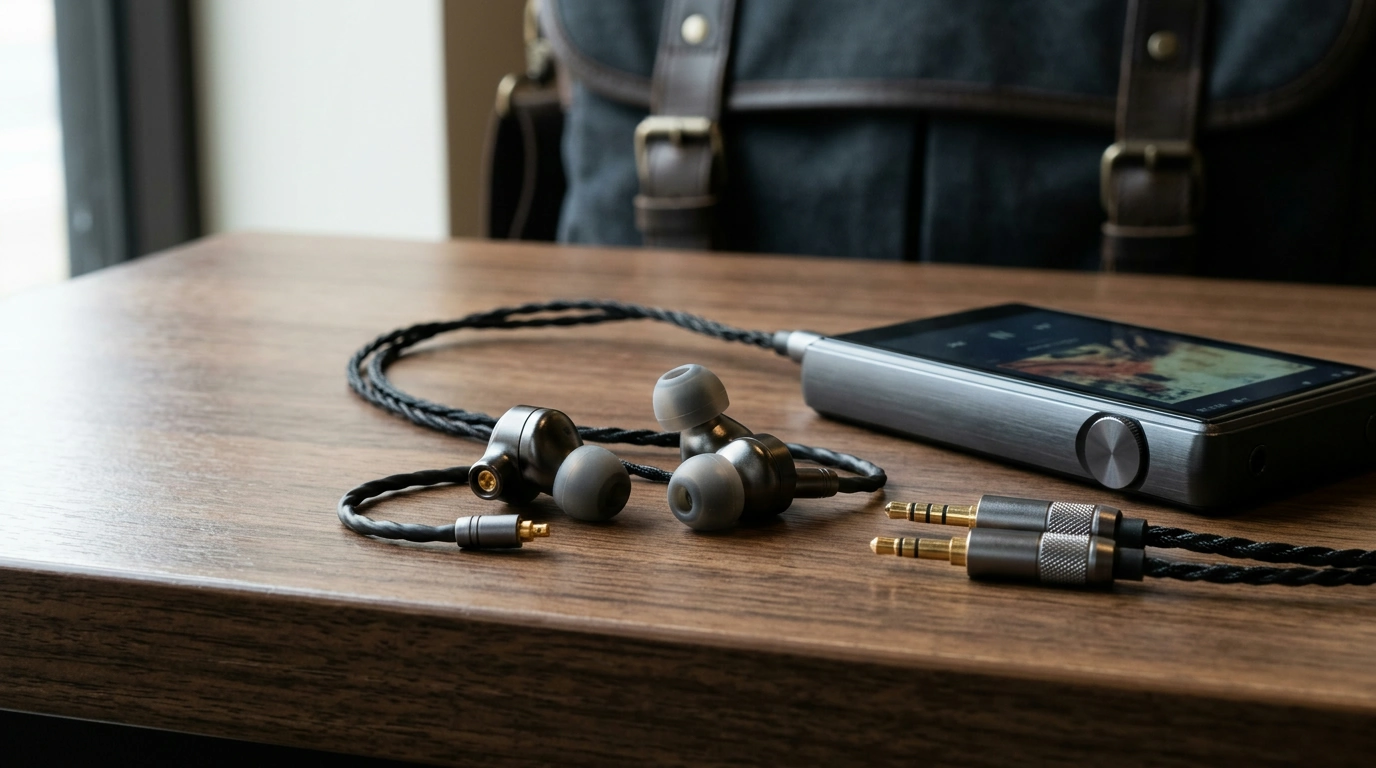
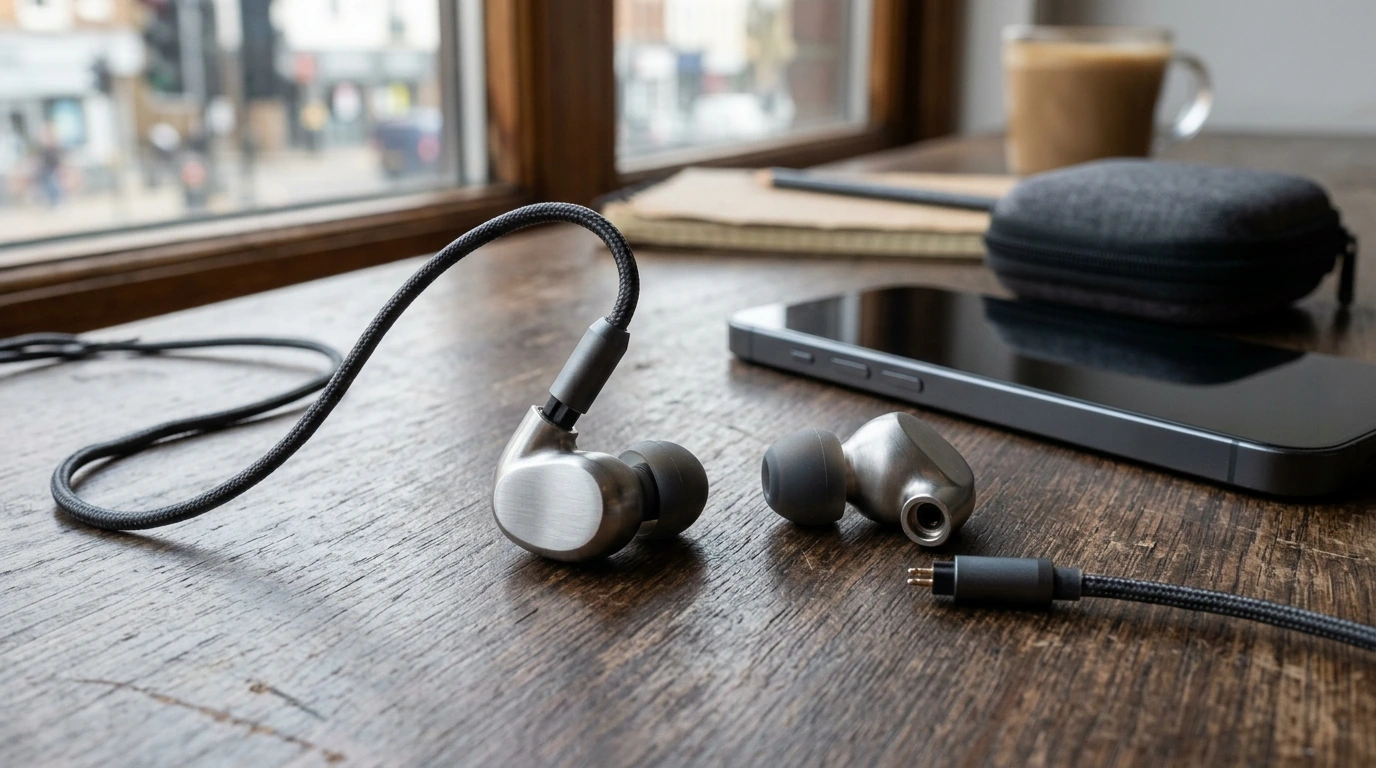
Hi-Res Dynamic In-Ear Earphones with MMCX Cable & Dual Plug Options
For listening that feels immediate and detailed without turning a commute into a project, these in-ear earphones pair a dynamic driver’s natural punch with a detachable MMCX cable and two plug options to match different devices. Our goal is simple: clear, high-resolution playback, a secure fit for long sessions, and a cable setup that can adapt as the rest of your chain changes.
What these earphones are built to do
When you want one pair of in-ears that can handle daily listening and still reward better sources, this design focuses on a few practical wins:
- Deliver an energetic, full-range sound with the cohesive character dynamic drivers are known for.
- Support high-resolution playback chains where your source and files allow for added detail and extension.
- Make daily use easier with a detachable MMCX cable for quick swaps or replacements.
- Offer dual plug options so your preferred device (phone, dongle DAC, DAP, or desktop gear) can be matched without extra adapters.
- Stay comfortable and stable with an in-ear form factor designed for a consistent seal and isolation.
Dynamic driver sound: impact, texture, and a natural feel
Dynamic drivers are often chosen for how “connected” they sound from bass through mids—notes feel continuous rather than separated into layers. That cohesion shows up in everyday listening: kick drums hit with physical impact, bass lines carry texture, and vocals sit naturally in the mix instead of feeling pasted on top.
The biggest variable you control is seal. With a proper seal, the low end extends deeper and the whole presentation tends to sound clearer (because you’re not losing bass and compensating with volume). That matters for everything from acoustic sets to electronic playlists.
Quick listening matches
| What you listen to | What to expect from a dynamic in-ear tuning | Small setup tip |
|---|---|---|
| Pop & vocal-forward tracks | Voices stay centered with body and presence | Try a slightly deeper fit to stabilize the midrange |
| Rock & live recordings | Drums and guitars feel cohesive and lively | A consistent seal keeps the stage from sounding thin |
| Electronic & bass-driven music | Sub-bass weight and punch feel more physical | If bass overwhelms, lower 60–120 Hz slightly rather than boosting treble |
| Acoustic & jazz | Natural instrument tone and rounded transients | Use a quieter environment to hear micro-detail without increasing volume |
MMCX detachable cable: flexibility that lasts beyond one device
Our team likes MMCX for one simple reason: it keeps your earphones usable even when life happens. Cables take the most wear in a portable setup, and MMCX connectors let you remove and replace the cable instead of retiring the whole pair.
- MMCX makes cable replacement straightforward, reducing downtime if a cable wears out.
- You can swap cables to change length, feel, or termination as your setup evolves.
- For travel, disconnecting the cable can pack smaller and reduce connector strain.
- When connecting, align the connector carefully and press straight in; avoid aggressive twisting.
- For longevity, keep connectors dry and free of debris, and unplug by gripping the connector housing—not the wire.
If you want a simple reference on the connector type itself, the MMCX overview is a useful explainer: https://en.wikipedia.org/wiki/MMCX_connector.
Dual plug options: choose the connection that fits your setup
Plug option decision guide
| Your source | Best choice | Why it helps |
|---|---|---|
| Phone/tablet with a dongle | Use the plug option that matches the dongle output | Avoids adapters and keeps the pocket setup compact |
| Portable music player (DAP) | Use the plug option that matches the player’s dedicated output | Keeps the connection stable and the chain simple |
| Desktop DAC/amp | Use the plug option that matches the amp output | Reduces connection clutter at the desk |
| Multiple devices across the week | Keep one plug option on the main cable and reserve the other for swaps | Fast changes without buying extra cables immediately |
Fit and seal: the fastest way to unlock better sound
Keep safe listening in mind: if you notice yourself turning volume up to “fix” thin sound, stop and adjust fit first. The World Health Organization’s guidance on safe listening is a solid baseline: https://www.who.int/activities/making-listening-safe.
Daily-use setup: small habits that keep performance consistent
If you’re building a hi-res chain, it helps to understand what “Hi-Res AUDIO” signifies in labeling and program terms. The Japan Audio Society provides the background here: https://www.jas-audio.or.jp/english/hi-res-logo-en.
In-stock picks from our store
- Hi-Res Dynamic In-Ear Earphones with MMCX Cable & Dual Plug Options
- 3D Puzzle Scout Beetle
- Montessori Floor Bed with Fence
FAQ
What is MMCX, and why does a detachable MMCX cable matter?
MMCX is a compact coaxial connector commonly used on in-ear monitors, designed to let you detach the cable from the earphones. A detachable MMCX cable makes replacement and cable swaps simple, which can extend the usable life of your earphones. When unplugging, grip the connector housing instead of pulling on the wire to reduce wear.
How do the dual plug options change the listening experience?
They primarily improve compatibility and day-to-day reliability by letting you connect directly to different device outputs without stacking adapters. Fewer connection points can mean fewer intermittent issues and a cleaner portable setup. The audible change comes from using the correct output for your device chain, not from forcing an ill-fitting connection.
Why do these earphones sound different depending on ear tips and fit?
Ear tips and fit control seal, and seal directly affects bass response and the overall tonal balance you perceive. A poor seal often makes the sound thin or overly bright, which can also hide detail at normal volumes. Try different tip sizes and insertion depths, and avoid compensating by raising volume before you’ve achieved a consistent seal.








Leave a comment