Warmest Dog Coat? How to Choose True Winter Warmth
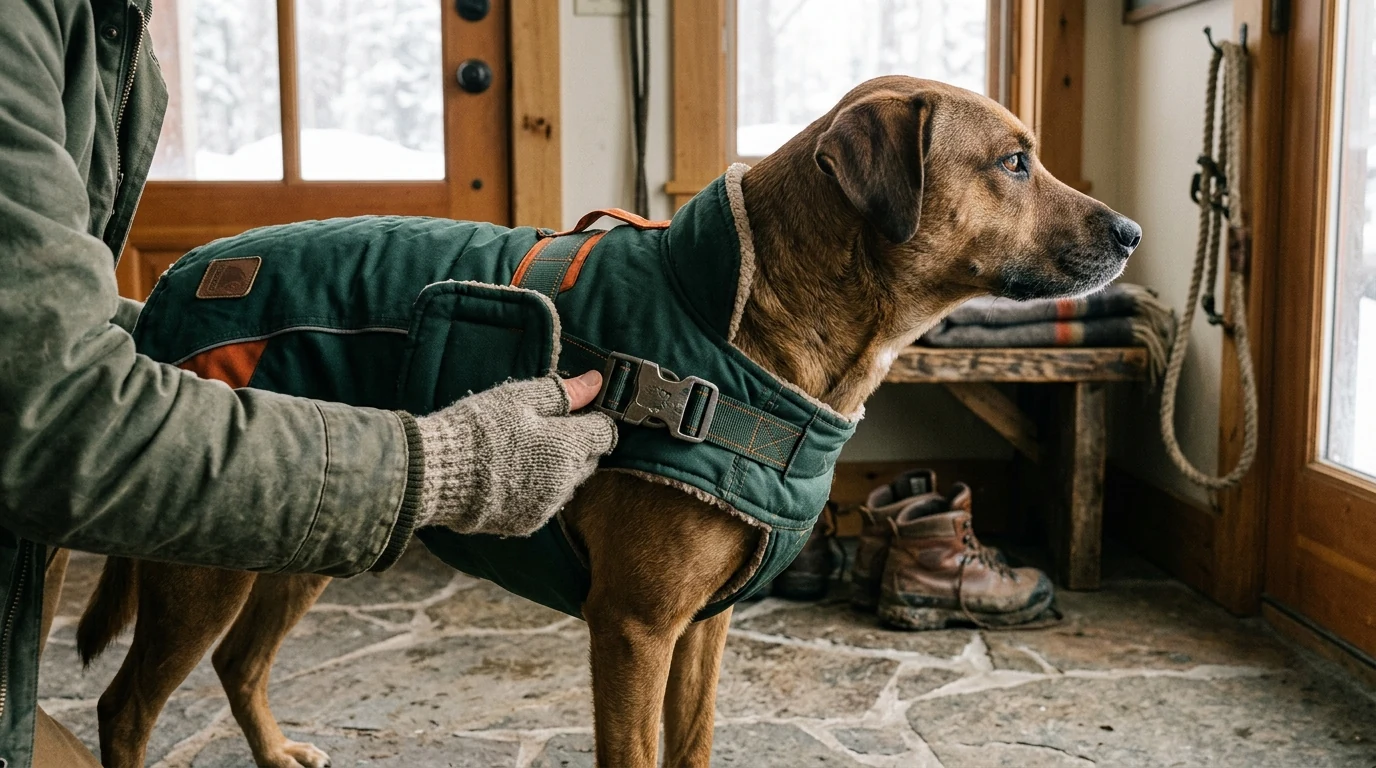
What is the warmest dog coat ever made?
Answer
There isn’t one single “warmest dog coat ever made” for every dog and every winter day. The warmest coat is the one that matches your dog’s cold tolerance and your conditions (wind, wet snow, long walks), while fitting closely enough to trap heat without restricting movement.
When our team helps you pick a truly high-warmth coat, we focus on four factors that matter more than a brand name or a “thermal” label: insulation, weather blocking, body coverage, and fit.
What actually makes a dog coat ultra-warm?
1) High-loft insulation that stays warm in motion
Look for thick, resilient insulation that holds loft instead of compressing flat. Loft is what traps warm air next to your dog’s body. For frigid days, a puffer-style build or a well-insulated quilted coat usually outperforms thin fleeces.
2) Windproof and water-resistant outer fabric
Wind strips warmth fast, and wet fabric robs heat even faster. A warm coat needs a tight-weave shell and a weather-shedding finish so your dog doesn’t chill when the forecast turns gusty or slushy.
3) Smart coverage (without unsafe bulk)
Extra warmth comes from protecting the chest, shoulders, and belly—areas that take the brunt of wind and snow. Choose a coat that covers the underside but still leaves room for a clean potty break and doesn’t bunch at the legs.
4) A secure, heat-sealing fit
Gaps at the neck or armpits let cold air pump in and warm air escape. Adjustable closures at the neck and chest help seal warmth while keeping your dog comfortable, especially during running or climbing over snowbanks.
Our practical “warmest coat” recommendation
If you want maximum warmth, start with an insulated, wind-blocking, water-resistant coat with full chest/belly coverage and adjustable neck + girth. For deep-cold walks, pairing that coat with a light base layer can add warmth without forcing you into a stiff, overbuilt outer coat.
For more fit and comfort guidance, use our warm cotton coat guide here: https://ansele.com/guide-warm-cotton-dog-coat-fit-tips-cozy-winter-walks/.
FAQ
How do I know if my dog needs a coat for winter walks?
If your dog shivers, tucks their tail, slows down, or tries to head back inside soon after starting a walk, they likely need more warmth. Small, short-haired, senior, and very lean dogs often benefit from a winter coat even in moderate cold.









Leave a comment