Heavy Duty Lawn Roller: When to Roll for Best Results
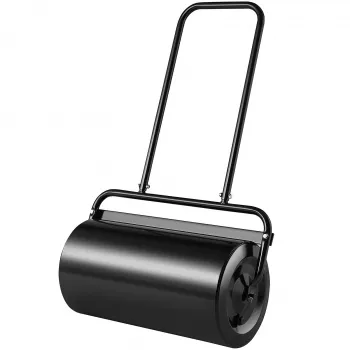
Heavy Duty Lawn Roller: Smooth, Level Turf Without the Guesswork
A lawn roller is one of those tools that quietly makes everything else work better—seed-to-soil contact improves, minor bumps settle down, and fresh sod lies flatter. Our Heavy Duty Lawn Roller is built for the practical jobs homeowners actually face: evening out soft spots after winter, firming soil after topdressing, and helping new grass establish with a more consistent surface underfoot.
What a lawn roller is best for
If your lawn is mostly healthy but feels a little “lumpy,” rolling can be the finishing step that helps everything look and perform more evenly. Our team sees the best results when rolling is used for light leveling and for improving contact between soil and whatever you just put down.
- Firming freshly seeded areas so seed stays in place and has better contact with soil
- Pressing new sod to reduce air pockets and help roots connect with the soil underneath
- Smoothing small bumps and footprints that develop in soft ground
- Setting topdressing (sand/soil mix) more evenly after spreading
- Helping repaired divots blend into surrounding turf
- Preparing ground for a cleaner, more even mow by reducing minor surface chatter
One important note: rolling is about refinement, not reconstruction. If you’re battling chronic standing water or deep depressions, you’ll get better results by correcting the underlying grade and drainage first rather than relying on repeated rolling.
When to roll (and when to skip it)
Timing matters because the same roller pass can be helpful on slightly moist soil and harmful on saturated ground. If you want the science behind why overdoing it can backfire, the University of Minnesota Extension has a solid overview of soil compaction in lawns: https://extension.umn.edu/lawn-care/soil-compaction-lawns.
- Best timing: early spring after thaw, or early fall when the lawn is actively growing and can recover quickly
- Roll after seeding: once seed is spread and lightly raked in—use steady, even passes rather than repeated back-and-forth in one spot
- Roll sod: immediately after installation and watering to help it sit tight against the soil
- Skip rolling when the ground is saturated: overly wet soil compacts easily and can create ruts
- Skip rolling during drought-stressed periods: stressed turf can thin out if soil is pressed hard
- Avoid heavy pressure over shallow irrigation lines or newly installed landscape edges—use careful, controlled passes
| Lawn situation | Roll now? | Better approach |
|---|---|---|
| Fresh seed just spread and lightly raked | Yes | Use gentle, consistent passes; avoid sharp turns |
| New sod installed and watered | Yes | Roll once or twice to reduce air pockets |
| Soil is squishy or puddling | No | Wait for the surface to dry; repair ruts later |
| Hard, dry summer lawn | Usually no | Water and relieve stress first; consider overseeding in fall |
| Minor winter heave / small unevenness | Yes (if not waterlogged) | Roll once; reassess before repeating |
How to use a heavy duty lawn roller for a smoother finish
Rolling is simple, but the details are what keep your lawn looking clean instead of scuffed. Aim for steady, methodical passes—more like mowing than “pushing down” a problem spot.
- Start with mowing: a shorter cut makes it easier to spot low/high areas and improves roller contact
- Water lightly if the soil is dusty-dry: slightly pliable soil responds better than brittle ground
- Work in a pattern: overlap each pass slightly, similar to mowing, to avoid missed strips
- Use wide turns: tight pivots can scuff turf and leave crescent marks
- Focus on problem zones first: soft spots near downspouts, walk paths, gates, and play areas often benefit most
- After rolling: water normally and allow recovery time; avoid aggressive dethatching immediately afterward
If you’re also renovating the lawn, Penn State Extension offers a helpful foundation for seeding and renovation sequencing: https://extension.psu.edu/lawns-and-turfgrass.
Practical pairing: tools and tasks that work well with rolling
A roller shines when it’s paired with the everyday lawn tasks you’re already doing. Our team’s favorite approach is to use rolling as the “lock it in” step—after you’ve spread, filled, or installed something.
Common mistakes to avoid
Product picks from our shop
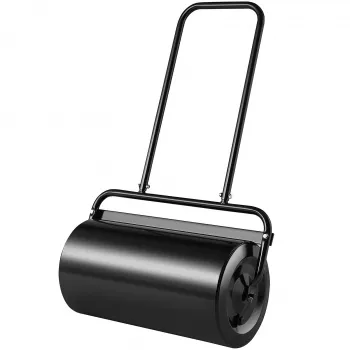
If you want a straightforward way to smooth light unevenness, firm seed, and set sod, our team recommends the Heavy Duty Lawn Roller. It’s a practical fit for seasonal routines like spring recovery and fall overseeding, and it pairs naturally with the basics you already use (spreader, rake, topdressing material, and a consistent watering plan).
And while your lawn is germinating or your sod is rooting, you might want an indoor project for downtime—our 3D Puzzle Scout Beetle is a fun, hands-on build that keeps busy hands occupied while the yard does its thing.
FAQ
Will a lawn roller help grass seed grow better?
Yes—rolling can improve seed-to-soil contact and reduce washout, which supports more consistent germination. You’ll still want to lightly rake seed in and keep the surface evenly moist, and you should avoid rolling when the soil is very wet to prevent compaction.
Can rolling fix deep bumps and holes in a lawn?
A roller is best for minor unevenness, not deep holes or major dips. For deeper areas, add and level soil first (topdress or fill, then rake smooth), and use a light roll afterward to help everything settle evenly.
When should a lawn not be rolled?
Skip rolling when the ground is saturated, when the turf is drought-stressed, or during very hot weather when grass is already under strain. Also avoid heavy pressure over shallow irrigation lines or newly installed edging until you can roll with controlled, careful passes.









Leave a comment