Foldable Roller Trainer Stand for Stable Indoor Rides
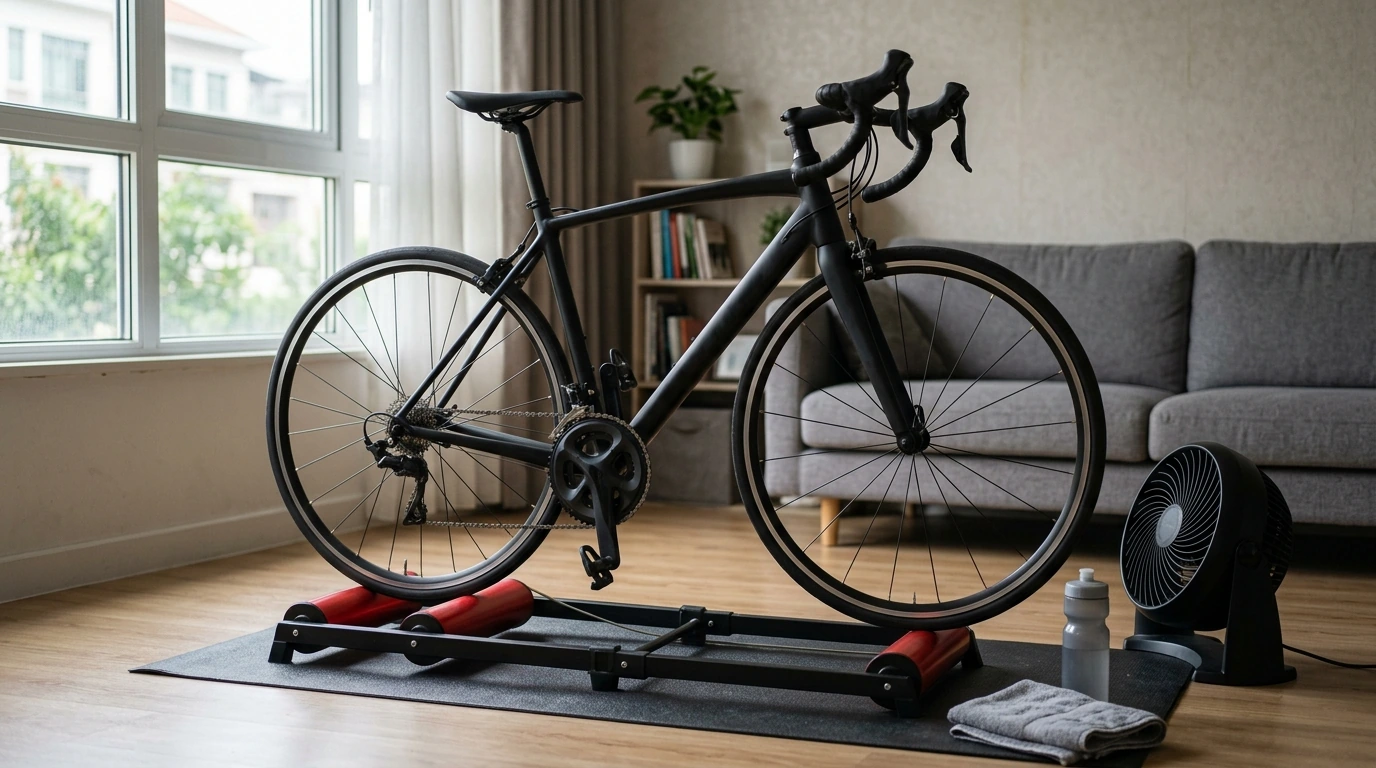
Foldable Indoor Bike Roller Trainer Stand: A Stable, Pack-Away Setup for Smooth Indoor Riding
Indoor riding works best when the setup feels secure, predictable, and easy to live with day after day. A foldable indoor bike roller trainer stand is built for exactly that: giving your bike a steady platform for structured workouts while keeping storage and floor space under control when you’re done. Our team recommends this style of stand for riders who want a dedicated at-home training station without committing to a permanently installed rig.
Why a foldable roller trainer stand belongs in a home training setup
When you’re training indoors, small annoyances add up fast. A stand that feels solid under load and stores quickly afterward helps you stay consistent.
- Consistent stability for indoor sessions: A solid stand reduces unwanted movement that can pull your attention away from cadence work, steady tempo riding, and interval focus.
- Space-friendly routine: Foldable designs are easier to store between rides—especially helpful in apartments, shared rooms, and multi-use spaces.
- Simple daily workflow: The easier it is to set up and put away, the more likely indoor riding becomes a repeatable habit rather than a once-in-a-while project.
- Versatile use cases: It’s a practical option for warmups, endurance spins, technique drills, and rainy-day training when outdoor routes aren’t an option.
Our in-stock pick for a pack-away indoor station
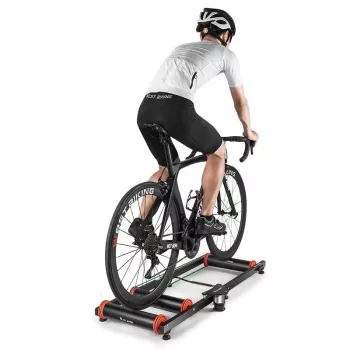
If you’re building a simple indoor setup around stability and storage, start with our Foldable Indoor Bike Roller Trainer Stand. It’s designed for a steady, predictable ride feel and a footprint you can reclaim when the workout is over.
What to expect from the riding feel indoors
Indoor sessions can feel “different” from outdoor riding at first, but that difference is exactly what makes them effective: you control the variables and repeat the work.
- A more controlled environment: No traffic, no stoplights, and no weather swings—useful for steady-state training and precise intervals.
- Technique practice with fewer distractions: It’s easier to focus on smooth pedaling, a quiet upper body, and controlled cadence changes when your route doesn’t demand attention.
- Repeatable sessions: Riding in the same space on the same equipment reduces “noise” in your data and makes it simpler to track progress week to week.
- Comfort matters: A stable setup pairs well with small upgrades like a fan, mat, towel, and hydration within reach so you’re not breaking rhythm mid-session.
For training structure ideas and skill-building sessions, you can also browse guidance from USA Cycling and general indoor trainer tips from REI Co-op.
Home setup checklist: space, flooring, and everyday usability
Most indoor frustrations come from avoidable setup issues. A few quick checks make the difference between a station you use constantly and one you avoid.
- Choose a level surface: Stability starts with a flat floor. Avoid thick carpet that can compress unevenly and allow shifting under load.
- Protect floors and reduce vibration: A trainer mat helps with sweat management and keeps your training area tidy, especially on tile or wood.
- Plan airflow: Indoor riding generates heat quickly; a fan aimed around torso height can make longer sessions more comfortable and sustainable.
- Keep clearance around the bike: Leave room to mount/dismount safely and to step off quickly after hard efforts.
Quick compatibility & space checklist
| Check | What to confirm before buying/setting up | Why it matters |
|---|---|---|
| Bike fit in the training area | Measure length and side clearance for your bike plus room to stand beside it | Prevents cramped setups and improves safety when getting on/off |
| Floor stability | Hard, level surface; consider a mat if on tile/wood | Helps reduce wobble and protects flooring |
| Storage plan | Confirm where the folded stand will live (closet, corner, under a bench) | Makes it easy to pack away so the setup doesn’t become a permanent obstacle |
| Noise expectations | Plan for a mat and proper tire condition; keep drivetrain clean | Reduces vibration and drivetrain noise for shared living spaces |
| Routine accessories | Fan, towel, bottle, and a small table/shelf nearby | Improves comfort and helps maintain consistent training |
Keeping indoor riding quiet, clean, and consistent
Who this stand is a good fit for
Getting started: a simple first-week training plan
Small add-on idea for rest days
Recovery days still need a little structure. If you like keeping your hands busy while you unwind off the bike, our 3D Puzzle Scout Beetle is a simple, screen-free way to decompress without turning “rest day” into “do nothing day.”
FAQ
Will a foldable indoor bike roller trainer stand work in a small apartment?
Yes—foldability makes it much easier to reclaim your floor space after each ride. Measure the riding footprint plus safe side clearance, use a mat to help protect floors, and set up a fan and towel so the space stays manageable.
How can indoor riding be made quieter for shared spaces?
Start by reducing vibration with a trainer mat and a level, non-rocking setup. Keep your tires properly inflated and your drivetrain clean, and consider riding at times that are less disruptive to others.
What should be checked before setting up the stand for the first time?
Confirm you have a flat surface, enough clearance to mount and dismount safely, and a stable placement with no rocking. Set hydration and a fan within reach, and plan a quick post-ride wipe-down so each session ends cleanly.







Leave a comment