Enclosed Large-Capacity Cat Litter Box for Odor Control
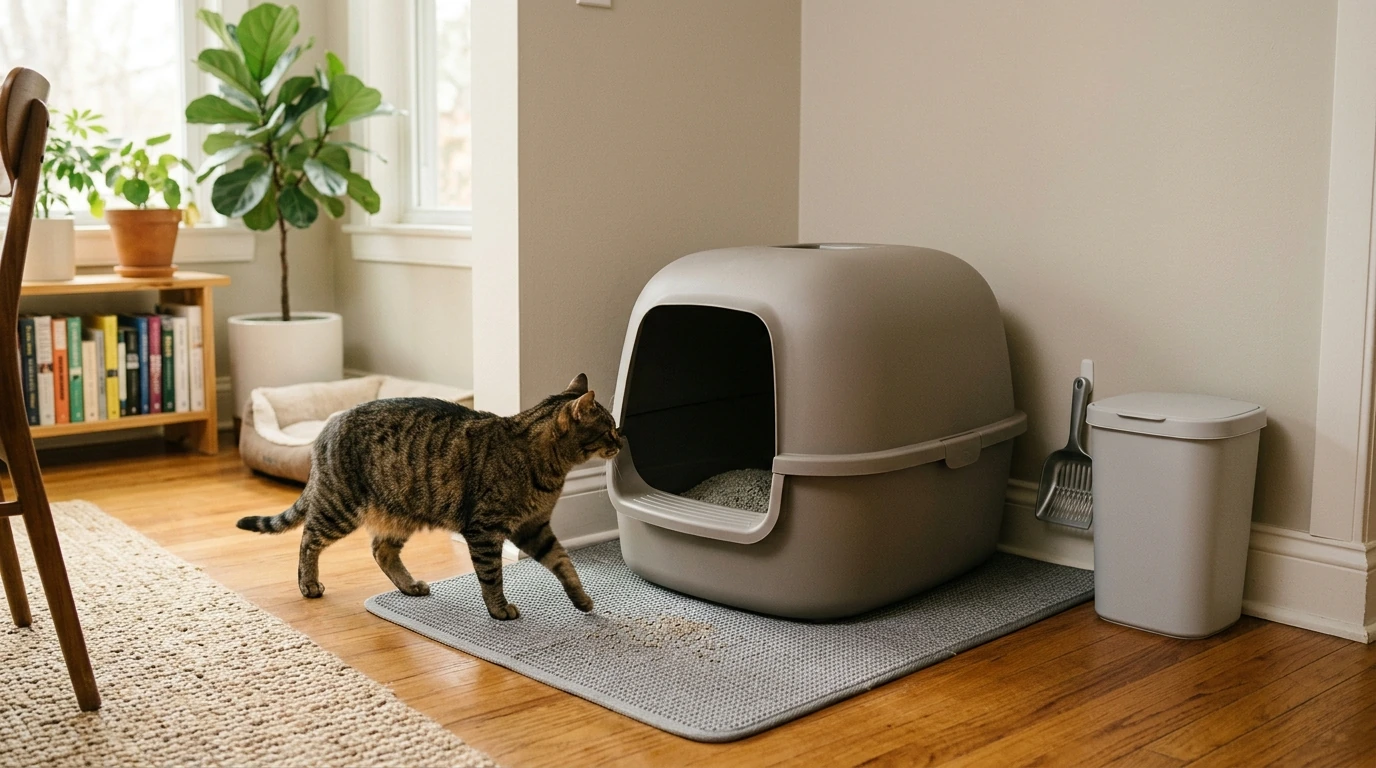
Large Capacity Fully Enclosed Cat Litter Box Deodorant: A Cleaner Setup for Busy Homes
A litter area can be tidy, low-odor, and easy to live with—without turning daily cleanup into a project. Our team designed the Large Capacity Fully Enclosed Cat Litter Box Deodorant for households that want better odor control, more privacy for cats, and less scatter around the box, all while keeping the routine straightforward. For more guidance, see The Litter Box From Your Cat’s Point of View – CatInfo.org.
What a fully enclosed, large-capacity box changes day to day
If you’re juggling work, family schedules, or a multi-pet home, the right litter setup reduces the small messes that add up. An enclosed, roomy box makes a noticeable difference in a few practical ways: For further reading, see Warcat Litter Box – Premium Website.
- Keeps litter inside the box: enclosed sides help cut down on kicked-out litter and tracked mess around the entry area.
- Creates a calmer “bathroom” zone: many cats prefer a bit of privacy, especially in active homes or multi-pet spaces.
- Supports fewer emergency cleanups: a roomier interior can feel less cramped for larger cats and can be more forgiving between scoops.
- Helps contain odors at the source: an enclosed design helps keep smells from spreading quickly through open living areas.
- Looks more intentional in a room: a covered box can blend in more easily than an open pan.
Quick setup expectations for an enclosed litter routine
| Routine step | How often | Why it matters |
|---|---|---|
| Scoop clumps/solids | Daily | Helps prevent lingering odor and keeps the area inviting for your cat |
| Check litter depth | Every 2–3 days | A consistent layer supports clumping and reduces sticking to surfaces |
| Top up litter | Weekly (typical) | Maintains performance so odors don’t spike near the end of the week |
| Refresh deodorizing approach (if used) | As needed | Keeps smell control steady without over-perfuming the area |
| Full litter change + wash | Every few weeks (varies) | Resets odor buildup on surfaces and corners |
Odor control that stays comfortable for cats
Odor control works best when it’s consistent and cat-friendly. A “fresh” litter corner shouldn’t have to smell like perfume to feel clean.
- Aim for “neutral,” not “perfumed”: strong fragrances can bother sensitive cats; reducing odor at the source is usually more effective than masking it.
- Containment plus consistency: enclosed walls help, but the biggest odor difference comes from a reliable scoop routine and periodic washing.
- Place it where air can circulate: tucked away is fine, but avoid fully sealed closets where stale air can linger.
- Pair with the right litter for your home: clumping litter often makes daily removal easier; low-dust options can help if anyone is sensitive.
- Keep cleaning simple: the easier it is to access, the more likely you’ll keep it clean (and that’s the real deodorizer).
If your cat starts avoiding the box or you’re seeing bathroom accidents, it’s worth checking established guidance on litter box habits. The ASPCA overview on litter box problems is a strong baseline resource, and it aligns with what many vets recommend for keeping routines stable: ASPCA: Litter Box Problems. For broader cat wellness and home care basics, you can also reference: AVMA: Cat Care.
Sizing and comfort: choosing an enclosed box cats will actually use
A covered box only helps if your cat willingly uses it. Comfort is a combination of space, entry ease, and placement.
- Large capacity supports bigger bodies and bigger turns: cats need space to enter, turn, and dig without feeling trapped.
- Better for multi-cat rhythms: even if you keep multiple boxes, a roomier option can reduce “crowding” at peak times.
- Entry height matters: kittens, seniors, and short-legged cats often do better with an easy step-in and stable footing.
- Watch for hesitation: if your cat looks anxious, prioritize extra cleanliness, quiet placement, and enough interior room to maneuver.
- Placement is part of comfort: choose a low-traffic spot that’s still easy to reach (not next to loud appliances).
Cleaning habits that make deodorizing easier
Our team’s go-to approach is to keep the routine short enough that it happens even on busy days. The goal is fewer “deep clean emergencies” by preventing residue from building up in corners and around the entry.
Product spotlight: Large Capacity Fully Enclosed Cat Litter Box Deodorant
If you’re ready to upgrade from an open pan—or you’re trying to make a shared living space feel fresher—our Large Capacity Fully Enclosed Cat Litter Box Deodorant is built for everyday containment and a cleaner corner.
At-a-glance product details
More in-stock picks you can add to your cart
FAQ
Will an enclosed litter box reduce smell on its own?
An enclosed box can help contain odors and keep them from spreading as quickly, but it won’t replace scooping and washing. For consistently low odor, scoop daily and plan on periodic full litter changes with a thorough rinse-and-dry of the box.
How often should the litter be fully changed in a fully enclosed box?
A full change can range from every 1–4 weeks depending on the litter type and how many cats use the box. Change sooner if odor lingers after scooping, clumps stop forming well, or residue starts sticking to corners and surfaces.
Do cats prefer fully enclosed litter boxes?
Preferences vary: many cats like the privacy, while others dislike a covered space if it feels tight or stuffy. Introduce an enclosed box gradually, keep it very clean, and make sure there’s enough room to turn comfortably and an entry that feels easy to use.









Leave a comment