How to Cure Sleep Anxiety: 5 Calming Nighttime Fixes
How to Cure Sleep Anxiety?
Start by lowering “sleep pressure” and raising “calm”
Sleep anxiety usually improves when you stop chasing perfect sleep and focus on reliable cues that tell your nervous system it’s safe to power down. Our team recommends treating it like a nightly skill: consistent timing, fewer triggers, and a simple plan for what to do when worry shows up.
Use a predictable wind-down routine (same steps, same order)
Pick a 20–40 minute routine you can repeat every night: dim lights, warm shower, light stretching, and a low-stimulation activity (paper book, quiet music). Keep bedtime and wake time as steady as you can, even after a rough night, so your body relearns a rhythm.
Stop “clock-checking” and reframe wake-ups
Turn the clock away and keep your phone out of reach. If you’re awake longer than about 15–20 minutes, get out of bed and do something calm in low light until you feel drowsy again. This protects your bed as a cue for sleep—not worry.
Give your mind a place to put the worry—before bed
Try a 5-minute “worry list” earlier in the evening: write what’s looping and one next action (even “decide tomorrow at 10 a.m.”). When the thought returns at bedtime, remind yourself it already has a parking spot.
Add a body-based tool when thoughts won’t settle
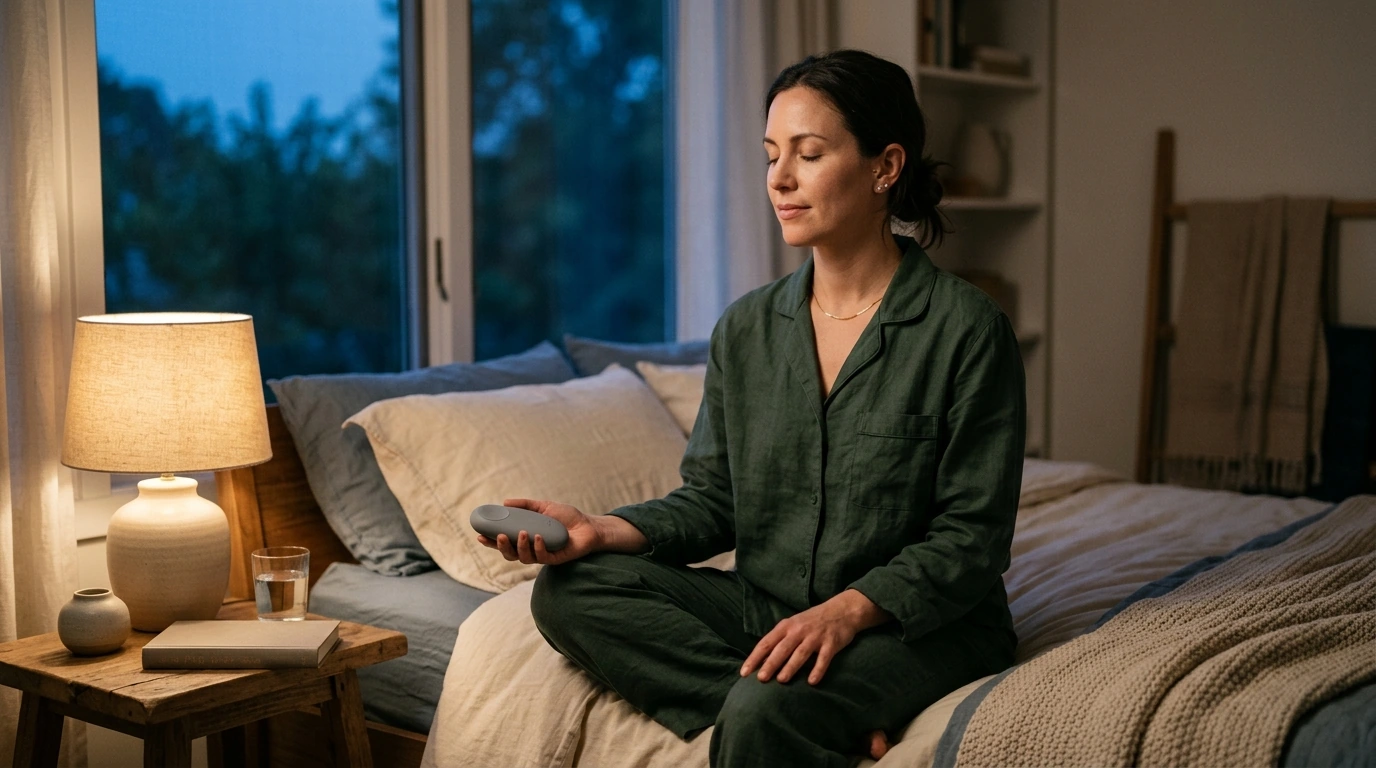
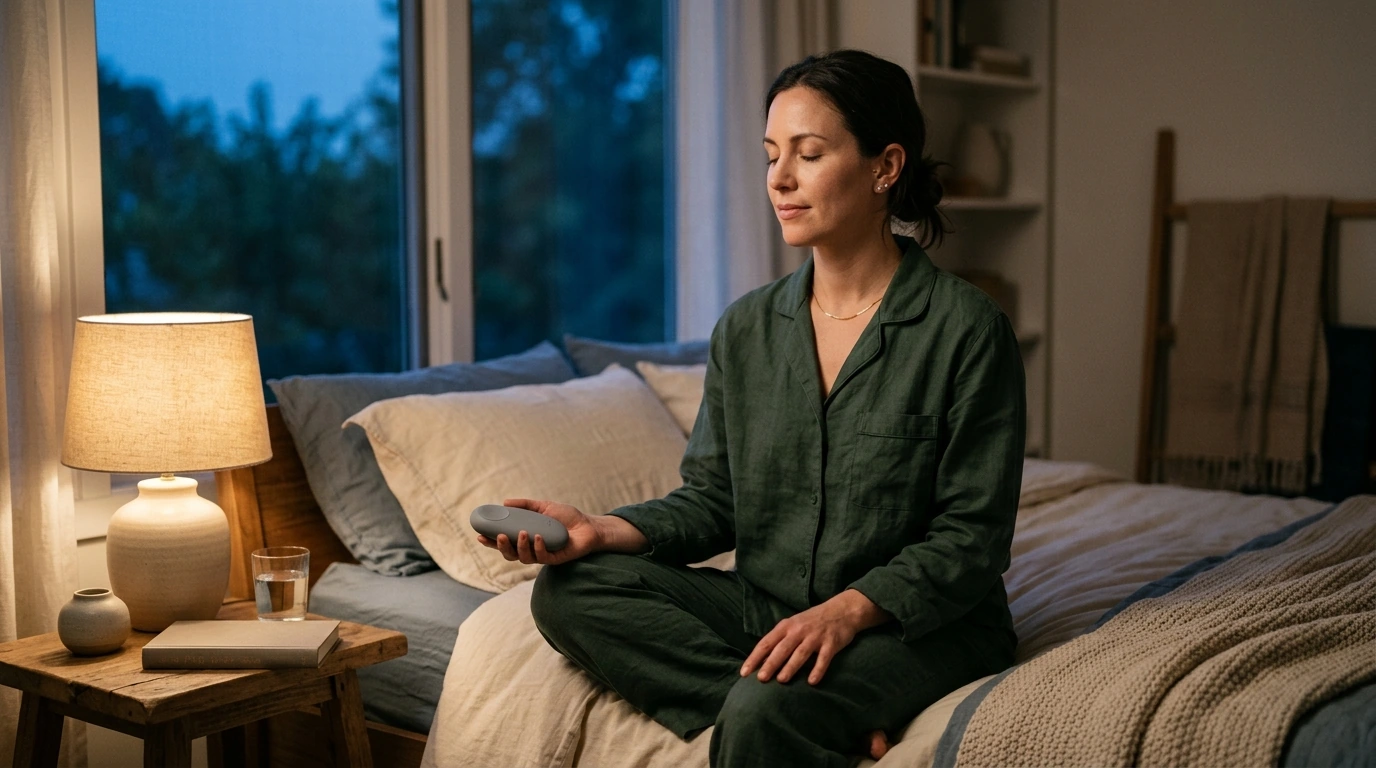
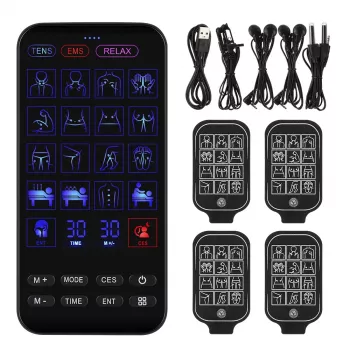
When anxiety feels physical—tight chest, racing heart, restless legs—calming the body can be faster than arguing with thoughts. Many people use a handheld pulse stimulator as part of a wind-down routine to support relaxation and reduce arousal at bedtime. For practical, step-by-step guidance on timing, placement, and routines, visit our detailed guide here: https://ansele.com/guide-handheld-pulse-stimulator-sleep-anxiety-how-to-use/.
Safety and smart use
Use gentle settings first and aim for consistency over intensity. Skip stimulation if you have an implanted electronic device (like a pacemaker), a seizure disorder, are pregnant, or if a clinician has told you to avoid electrical stimulation. If sleep anxiety is tied to panic attacks, trauma, or persistent insomnia, pairing tools with professional care can speed progress.
FAQ
What can I do if I wake up in the middle of the night with a racing heart?
Sit up and do slow breathing (longer exhale than inhale) for a few minutes, then choose a low-light, calming activity until your body settles. Avoid checking the time and avoid mentally “reviewing” tomorrow—focus on physical downshifting instead.










Leave a comment